
Best Use Cases for Seedance 2.0: Short Films, Ads, and Social Videos
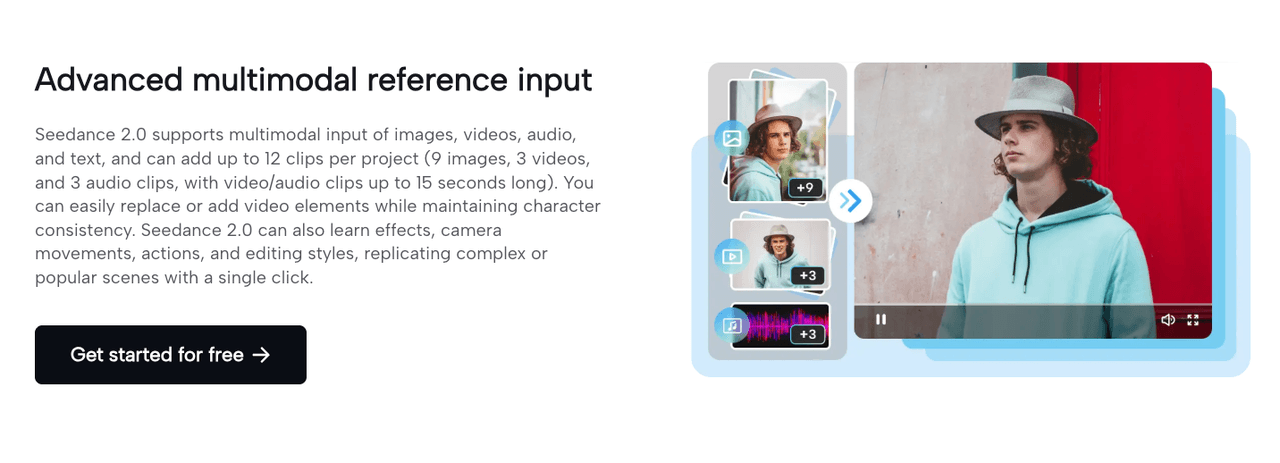
Seedance 2.0 is a multimodal AI video generation system designed to combine text, images, video clips, and audio inputs into a unified creative workflow. Unlike traditional text-only generative tools, it enables creators to upload multiple reference assets—up to nine images, three videos, and three audio files—and assign them through tagged references such as @Image1 or @Video1.
This reference-based generation framework gives users far greater control over visual consistency, motion style, character identity, and soundtrack integration. Instead of relying purely on descriptive prompts and iterative guessing, creators can guide the model with concrete visual anchors, resulting in more predictable and stylistically aligned outputs.
1. Short Narrative Clips (5–10 Seconds)
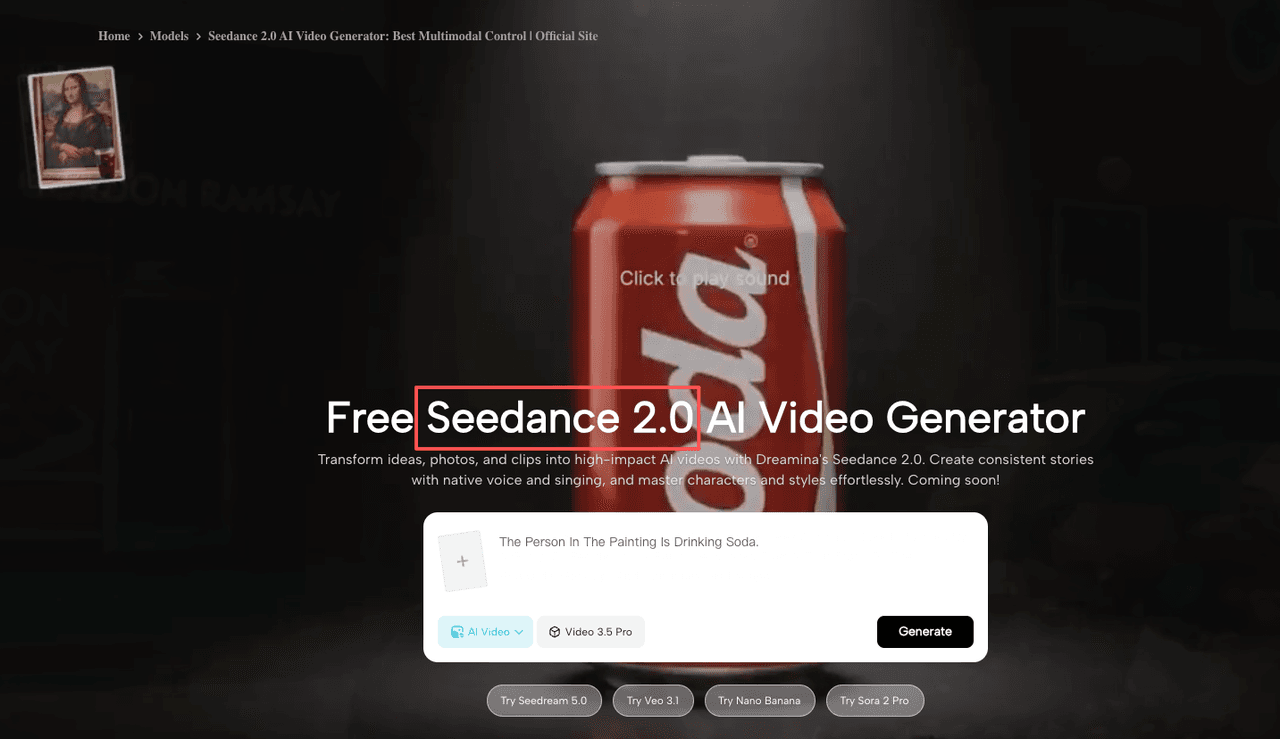
Seedance 2.0 performs especially well when producing compact, story-driven sequences within the 5–10 second range. At this duration, the model maintains temporal coherence while still emphasizing key emotional beats or visual transitions.
To maximize output quality, it is recommended to provide multiple angles of the same character—such as a frontal portrait, three-quarter profile, and full-body image—so the system can better preserve identity consistency. Pairing these with a short reference video that demonstrates desired motion or camera movement further enhances realism. Including ambient sound or voice elements can also elevate immersion and narrative clarity.
This approach makes Seedance particularly suitable for micro-stories, dramatic visual moments, and emotionally focused short-form content.
2. Product and Brand Advertising
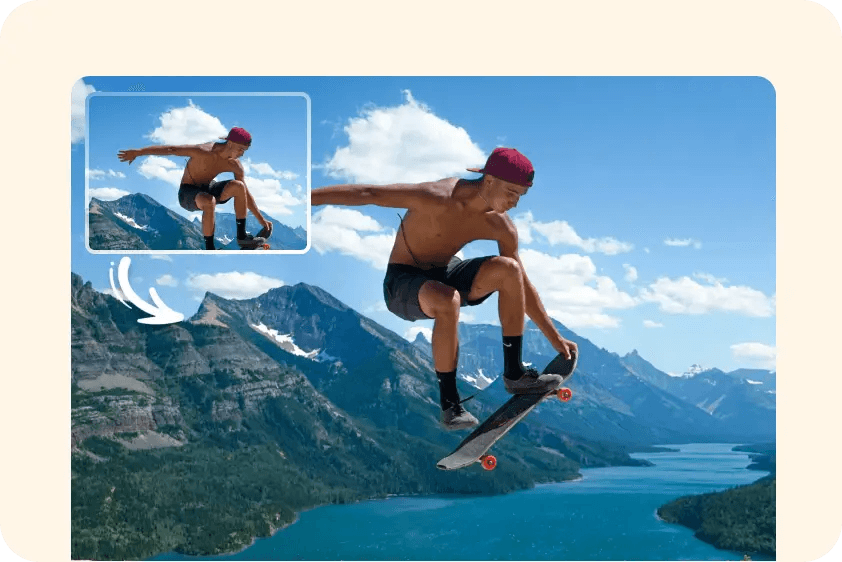
For commercial content, Seedance 2.0 offers strong advantages in producing visually consistent promotional videos. This is particularly useful when showcasing product details, textures, and multi-angle presentations.
A typical workflow may include:
- Uploading high-resolution product images from different perspectives
- Providing a stylistic or cinematic reference video for camera movement
- Structuring a prompt that combines product visuals, brand tone, and motion references
Because the system can maintain visual coherence across frames, it enables the rapid creation of multiple ad variations without expensive production setups. This significantly reduces production time while preserving aesthetic alignment with brand guidelines.
For e-commerce brands or digital campaigns, this flexibility allows quick testing of creative variations tailored to different audiences or platforms.
3. Social Media Content Creation
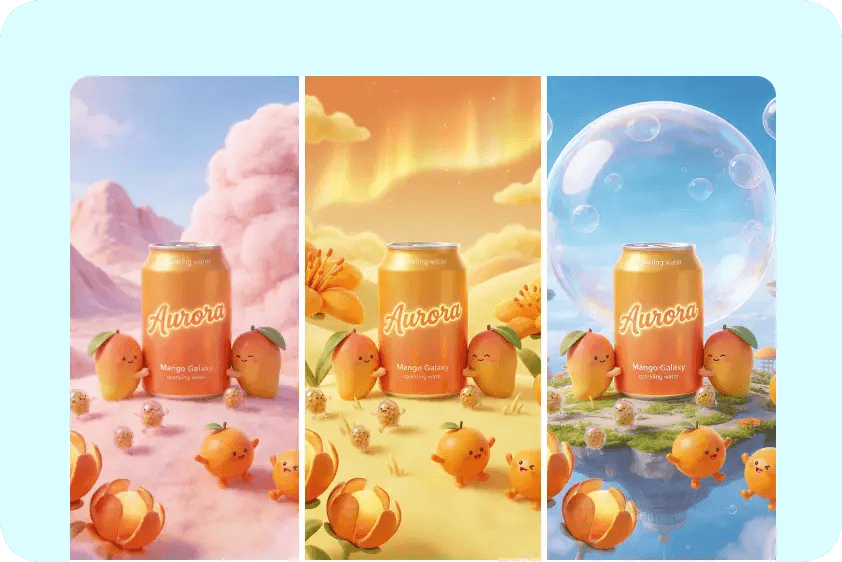
Short-form platforms such as TikTok, Instagram Reels, and YouTube Shorts prioritize dynamic pacing and visually engaging movement. Seedance 2.0 aligns well with these requirements.
Its strengths for social media include:
- Native support for vertical 9:16 video formats
- Effective replication of trending motion styles and editing rhythms
- The ability to use viral video structures as motion references while swapping in original subjects
By combining trending templates with custom assets, creators can efficiently generate content that aligns with current platform aesthetics. This hybrid strategy—leveraging popular structural patterns while retaining unique visual identity—can increase engagement potential without sacrificing originality.
4. Optimizing Reference Material
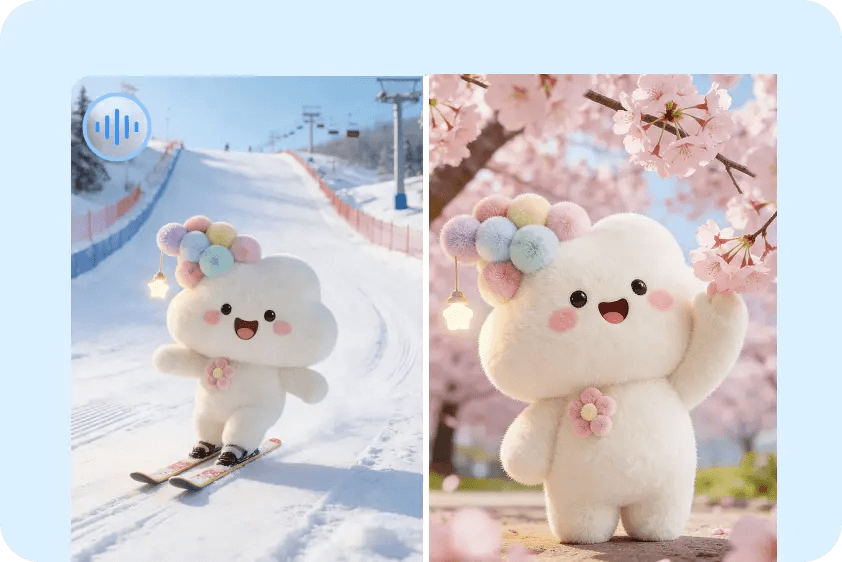
The performance of Seedance 2.0 is closely tied to the quality of the input materials. Well-prepared references significantly improve consistency and output clarity.
Best practices include:
- Using high-resolution images (preferably 1024 px or higher)
- Ensuring character reference images contain only one primary subject
- Assigning clear roles to each asset (e.g., character identity, camera movement, environmental tone)
Organized and purpose-driven asset selection reduces ambiguity and helps the model interpret each reference accurately. When references are mixed without clear functional separation, inconsistencies may arise in the generated video.
Careful preparation of visual inputs is therefore a critical step in achieving professional-level results.
5. Ethical and Legal Considerations
As with all generative AI tools, responsible use is essential. When recreating the likeness or voice of real individuals, proper authorization should always be obtained to avoid potential legal or privacy issues.
For commercial projects, transparency about AI-assisted production may help maintain audience trust. Additionally, diversifying training references and avoiding over-reliance on narrow visual patterns can reduce stylistic bias and repetitive outputs.
As AI-generated media becomes more widespread, establishing ethical workflows and compliance standards will play an increasingly important role in sustainable content production.
Conclusion
Seedance 2.0 is particularly well-suited for short-form, reference-driven video creation. Its strengths are most evident in narrative micro-clips, commercial advertising assets, and social media content optimized for engagement.
By strategically organizing reference materials, clearly assigning their roles, and aligning outputs with platform-specific requirements, creators can efficiently transform conceptual ideas into polished short videos. When used thoughtfully, Seedance 2.0 provides a structured and controllable pathway from visual inspiration to finished media.