
PixMind Blog
Blog
Explore AI creative tips, product updates, and inspiration
Veo Video Prompt Generator: How to Write Effective Veo Prompts
Master the veo-video-prompt-generator with proven templates, scenario breakdowns, and pitfall fixes for stunning AI video results.
Read More
TikTok Video to Prompt: How to Convert Any TikTok Video into AI Prompts
Learn how to use tiktok-video-to-prompt tools to extract reusable AI prompts from any TikTok video in minutes.
Read More
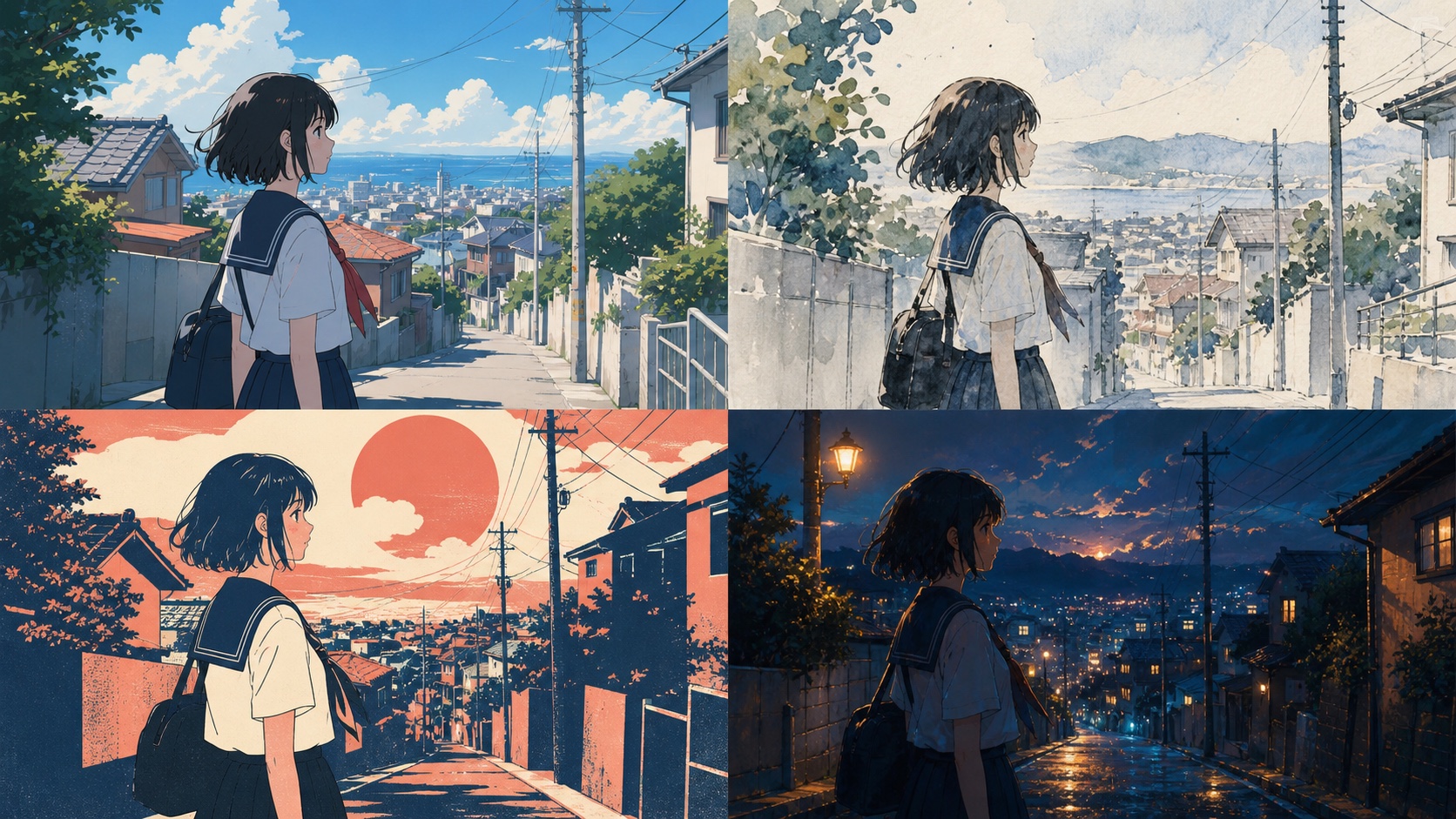
Niji 7 Styles: How to Use Style Explorer and SREF Codes
Learn how to find Niji 7 styles, refine them in Style Creator, save SREF codes, and test one look across characters, scenes, and props.
Read More
Midjourney V8.1 vs V7: What Actually Changed?
Compare Midjourney V8.1 and V7 by HD resolution, prompt behavior, Omni Reference, Draft Mode, SREFs, and real creative jobs.
Read More
Midjourney V8.2: What Changed and How to Use It
Midjourney V8.2 became the default on July 24, 2026. See what officially changed, how to access it, and how to migrate prompts without losing your workflow.
Read More
Hailuo Video Generator Guide: Text-to-Video, Image-to-Video & Director Mode Explained
Hailuo by MiniMax delivers native 1080p AI video with camera control and I2V. Available on PixMind — no separate account needed.
Read More
grok-imagine-1.5 Complete Guide: Cinematic AI Image Generation Powered by xAI Aurora
grok-imagine-1.5 uses xAI's Aurora multimodal engine, supports 3 reference images & 20,000-char prompts. Now live on PixMind.
Read More
Veo 3.1 Complete Guide: Native Vertical Video, 60-Second Generation, 4K Upscaling & Native Audio
Veo 3.1 explained: native 9:16 output, up to 60-second clips, 1080p+4K upscaling, and native audio sync — now live on PixMind.
Read More
nano-banana-pro Complete Guide: 4K Image Generation & Editing Powered by Google Gemini 3 Pro Image
Nano Banana Pro runs on Google Gemini 3 Pro Image, delivering native 4K output, 5-character consistency, in-image text, and up to 6 reference images — now on PixMind.
Read More
Qwen-Image-3.0 Launched: Alibaba's Latest Image Generation Model, Available on PixMind Day 0
Alibaba releases Qwen-Image-3.0, now live on PixMind Day 0. A breakdown of key upgrades, use cases, and differentiating capabilities.
Read More

How to Convert Any YouTube Video to AI Prompts
A practical youtube-video-to-prompt workflow for 2026: extract shot, camera, lighting, and style descriptions from any clip and turn them into reusable AI prompts.
Read More
AI Product Photo Generator: Complete Guide for Ecommerce
An AI product photo generator cuts listing-image cost from $55-$160 to $2-$3 per shot. Compare 2026 models, with Amazon-compliant prompts.
Read More
Flux AI Image Generator Review and Complete Guide
Flux AI image generator review: FLUX.1 vs FLUX.2 variants, license tiers, 6–24GB VRAM local setup, and how Flux compares to Midjourney and GPT-Image-2.
Read More
Kling AI Video Generator Review and Complete Guide
Kling-video-generator-review: Kuaishou's Kling 3.0 Omni (Feb 2026) ships multi-shot clips, native audio, 6-12 credits/sec, plans free to $180/mo.
Read More
Nano Banana Image Generator Review & Guide — Google Gemini 2.5 Flash's Secret Weapon
Complete nano-banana-image-generator-review: capabilities, outfit change prompts, comparison vs GPT-Image-2 & Midjourney v7, and who should use it.
Read More
Best AI Video Generators in 2026
Best AI video generators in 2026 ranked: Veo 3.1 leads at $0.20/s 1080p. Kling from $6.99/mo. Plus Seedance, Runway, PixVerse, Hailuo, Pika, Luma Ray3.2.
Read More
Best Free AI Image Generators in 2026 (Tested)
Our best-free-ai-image-generator-2026 list: only 3 tools are truly unlimited free. We rank 13 by caps, quality, and use case after testing vendor docs.
Read More
Seedance vs Veo 3: Which AI Video Generator Is Better
Seedance vs Veo 3 compared: Seedance 2.5 wins long-take and multi-character work; Veo 3.1 wins physics and photoreal people. Specs, pricing, full verdict.
Read More
Midjourney V7 vs GPT Image 2: Which Should You Use?
Compare Midjourney V7 vs GPT Image 2 for prompt adherence, text rendering, editing, and reference control to choose the right model for your workflow.
Read More
How to Keep Character Consistency Across AI Video Shots
Master ai-video-character-consistency across shots with one reference image, a locked identity block, and first-frame chaining. Per-model workflows inside.
Read More
PixVerse Video Generator Review and V6 Guide
Our pixverse-video-generator review covers V6 specs, 1080p native output, 23 credits/sec, $23 per 5s clip, AIsphere origins, free tier, and full pricing.
Read More

Runway Video Generator Review and Guide
Our runway-video-generator review covers Runway Gen-4.5 specs, pricing tiers, key features, and limits. Native 720p output, 10s clips, Max plan at $76/mo.
Read More
Imagen 4 Generator Review: Capabilities and How to Use
Our imagen-4-generator review covers 2K resolution, text rendering, pricing tiers, and the Aug 17 2026 shutdown. Here's what to use instead: Nano Banana.
Read More
Veo 3 Video Generator: Complete Guide and Review
Our veo-3-video-generator review covers native audio, Veo 3.1 upgrade paths, 2026 pricing from $0.10/sec, and free access after the Veo 3 API retired Jun 30.
Read More
Midjourney V7 Review in 2026: Is It Still Worth Using?
Review Midjourney V7 in 2026, including Omni Reference and Draft Mode, and learn when V7 still fits creative and character-consistency workflows.
Read More
Seedream 5.0 Pro Explained: A Complete Guide to ByteDance's Flagship AI Image Model
Seedream 5.0 Pro is here — better image quality, stronger Chinese prompt understanding. Full guide covering key upgrades, use cases, and model comparisons.
Read More
Seedance 2.5: ByteDance's 30-Second 4K AI Video Model, Explained | PixMind
Seedance 2.5 is ByteDance's next AI video generator—one prompt for 30-second 4K video, reference materials raised from 12 to 50. Specs, use cases, rivals compared, prompt tips, and FAQ.
Read More
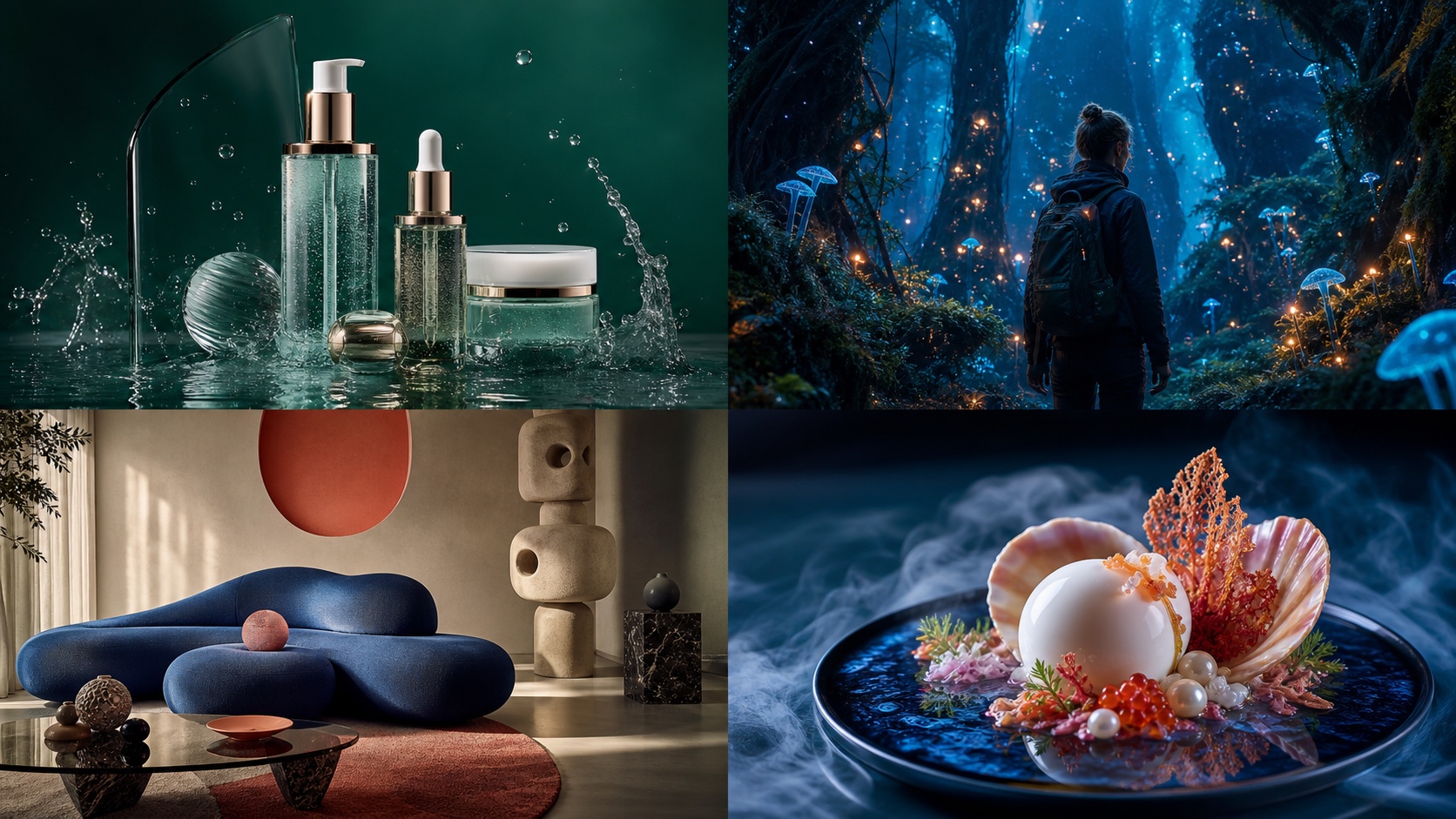
25 Midjourney V8.2 Prompts to Test the New Aesthetic
Test Midjourney V8.2's new aesthetic with 25 diagnostic prompts. Compare output notes and V8.1 results to understand key changes.
Read More
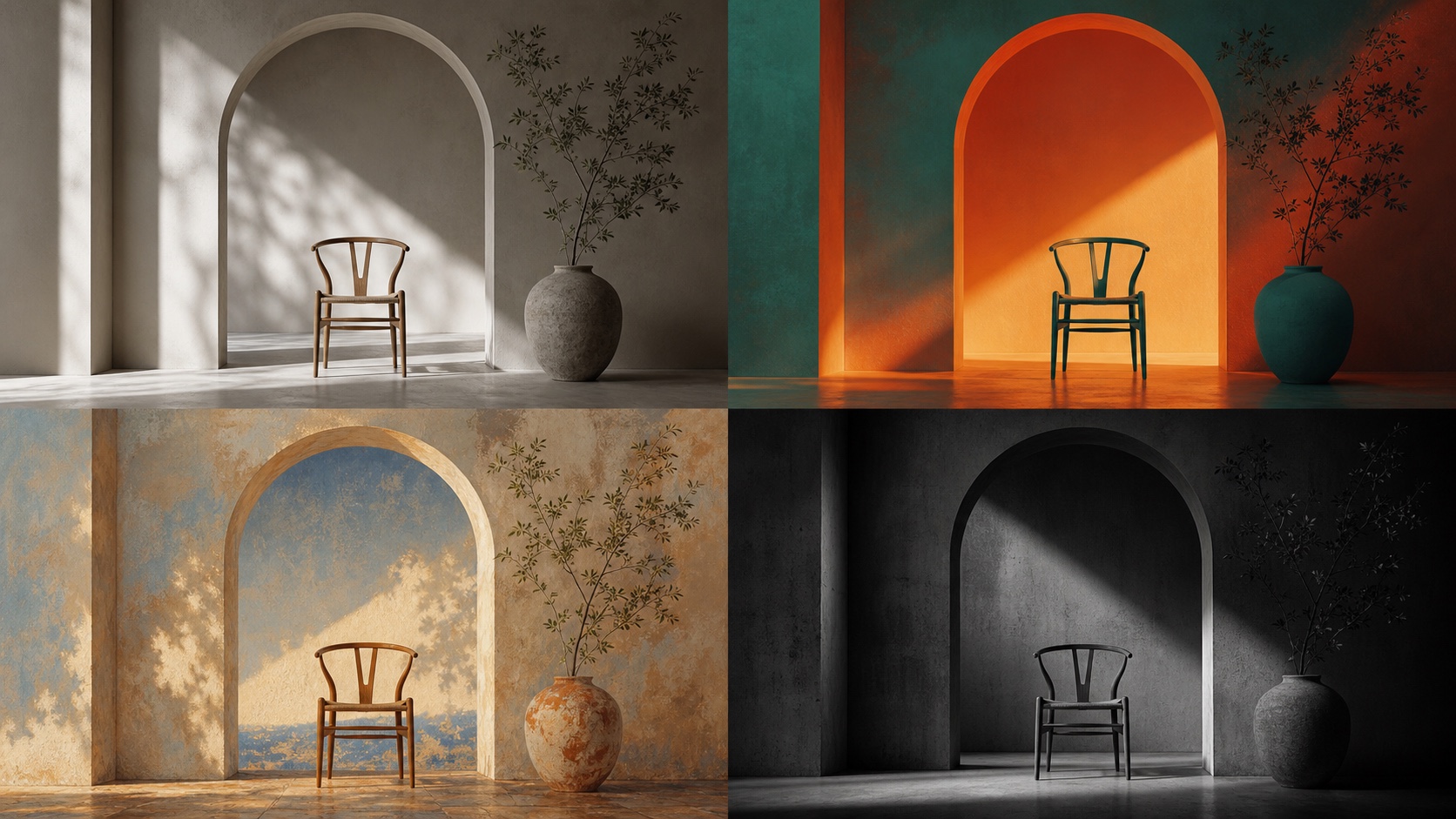
Midjourney V8.2 Style References: A Repeatable Test
Test Midjourney V8.2 style references for campaign consistency. This guide provides a repeatable protocol for evaluating style retention.
Read More
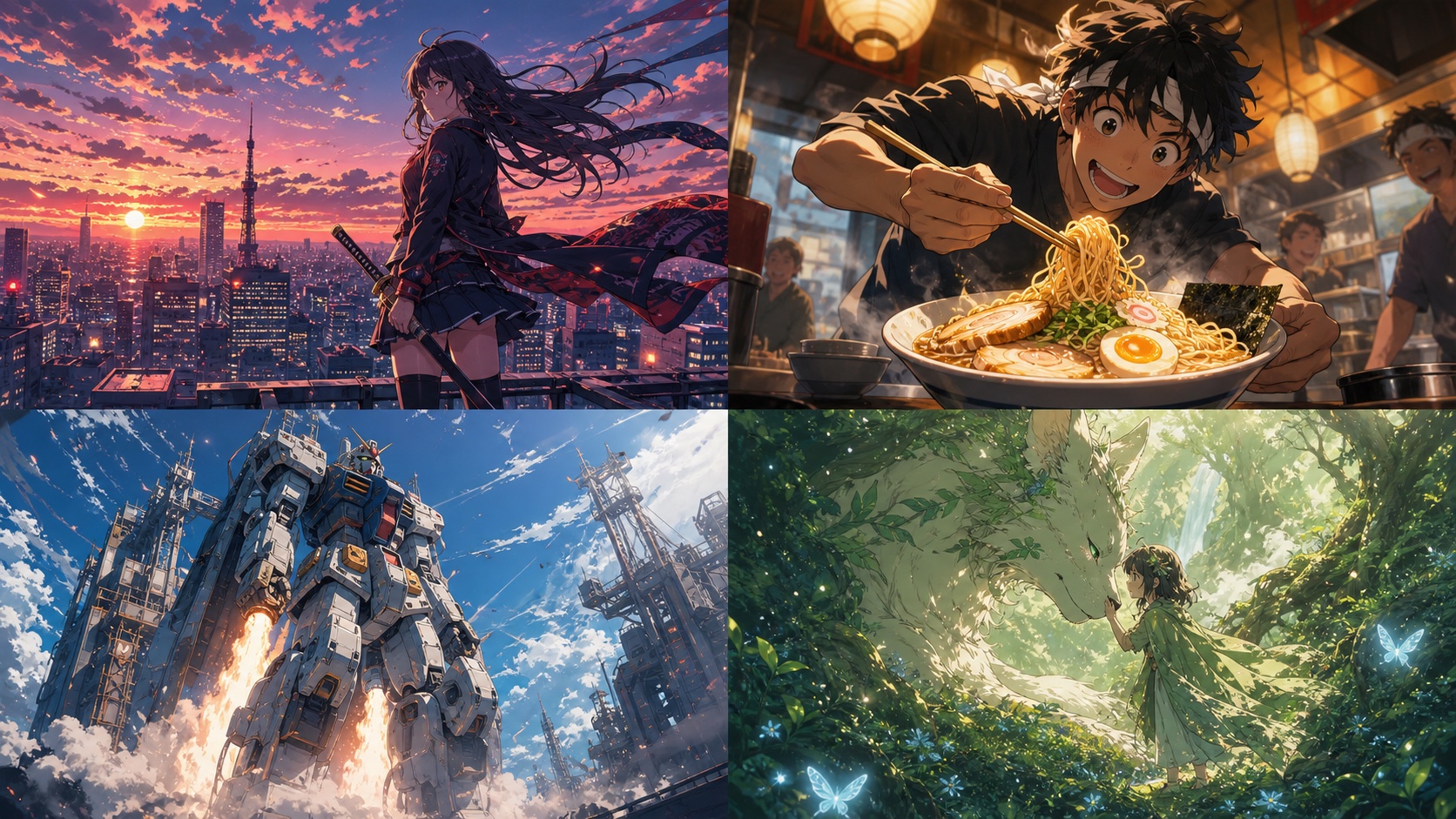
30 Niji 7 Prompts for Anime Characters, Scenes and Manga
Explore 30 Niji 7 prompts for anime characters, scenes, and manga. Learn full-body techniques, failure corrections, and how to use Raw and SREF.
Read More
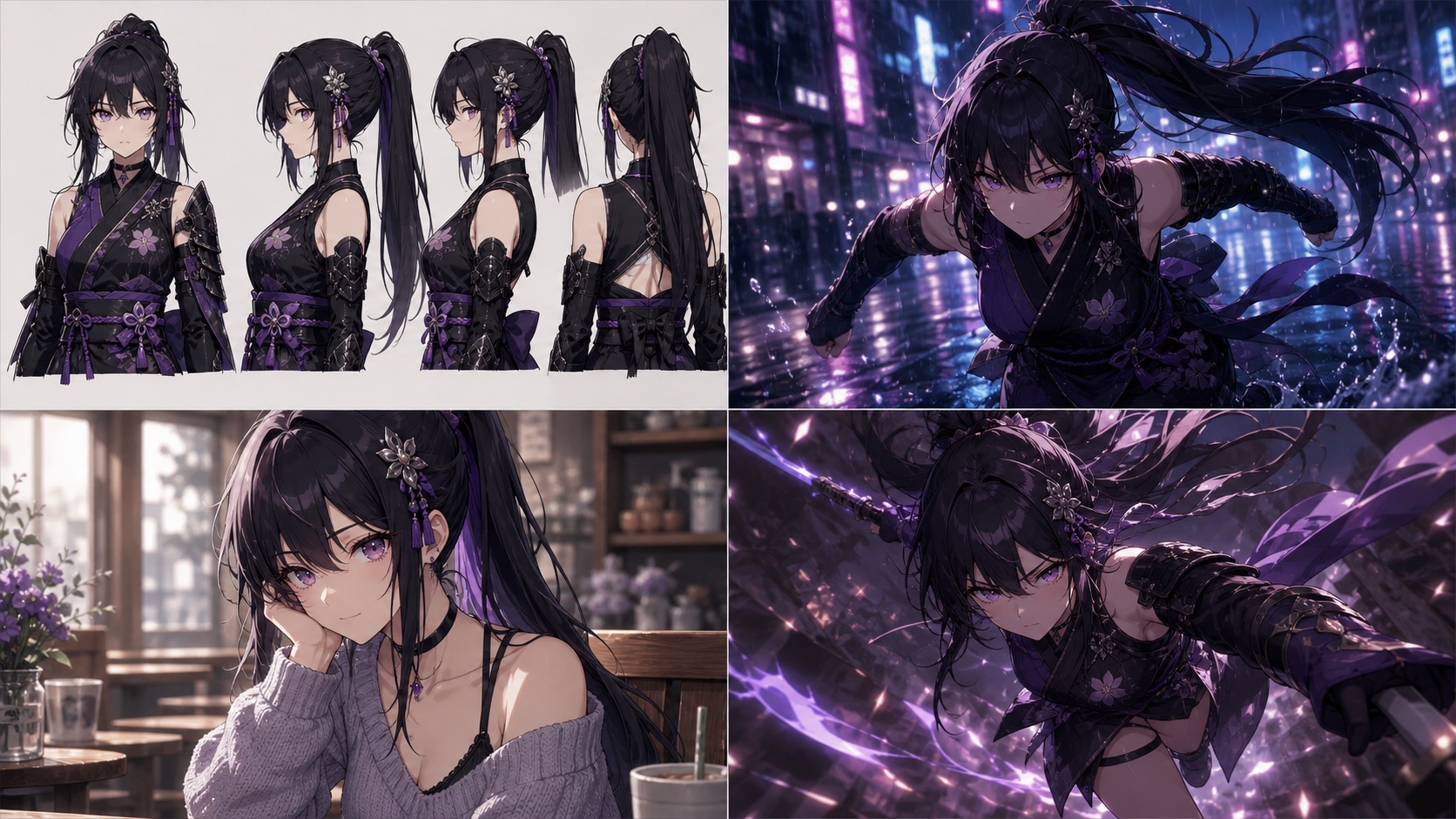
Niji 7 Character Consistency: A Reference Workflow
Learn a practical Niji 7 character consistency workflow. Use `--sref` and detailed prompts to maintain design elements across scenes.
Read More
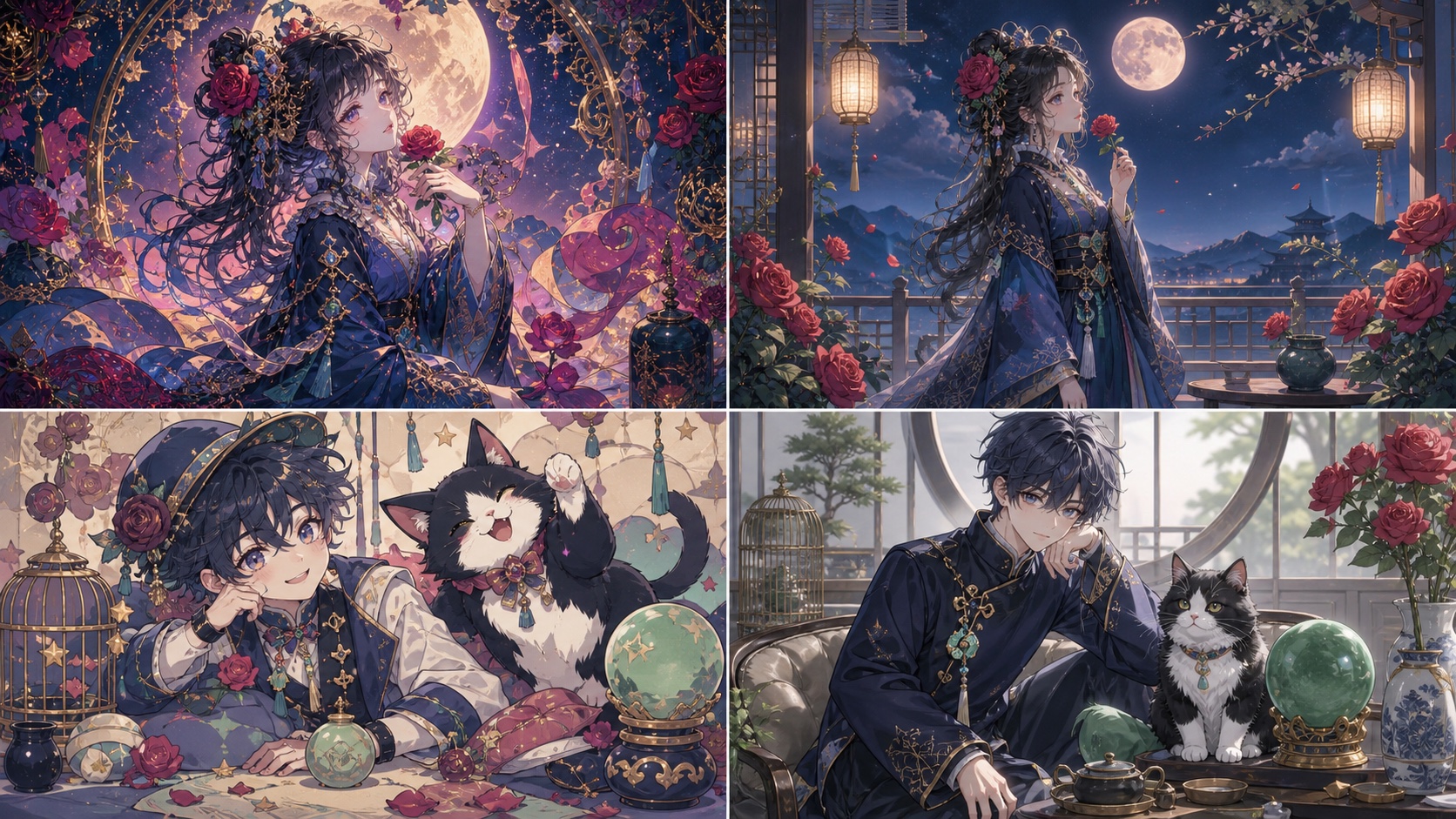
Niji 7 vs Niji 6: Which Anime Model Should You Use?
Compare Niji 7 vs Niji 6 for anime image generation. Learn which model excels in literalness, detail, and style range with same-prompt examples.
Read More
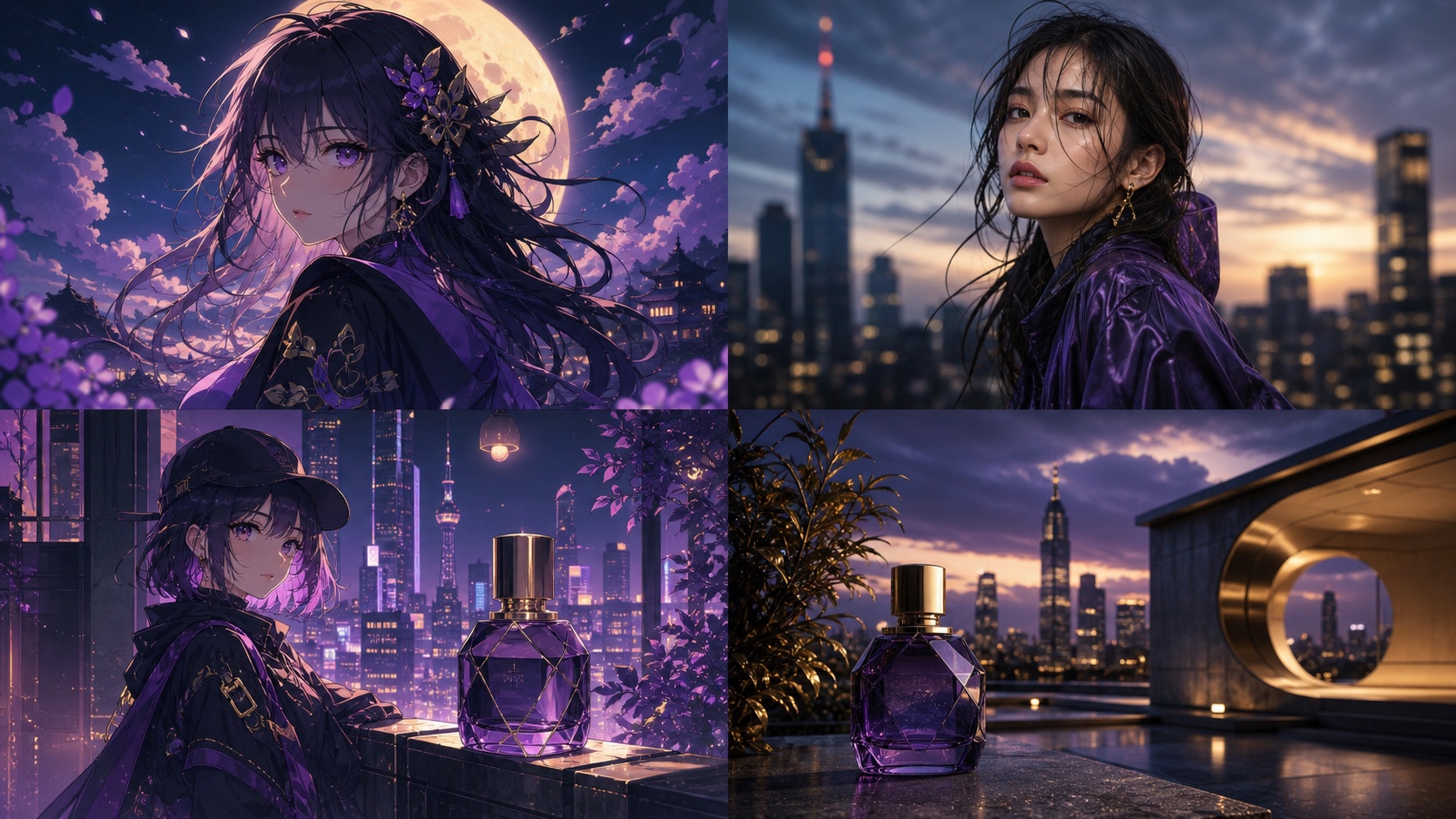
Niji 7 vs Midjourney V8.1: Which Model Fits Your Art?
Compare Niji 7 and Midjourney V8.1 for your art projects. Find the best model for anime, photorealism, and cinematic styles.
Read More
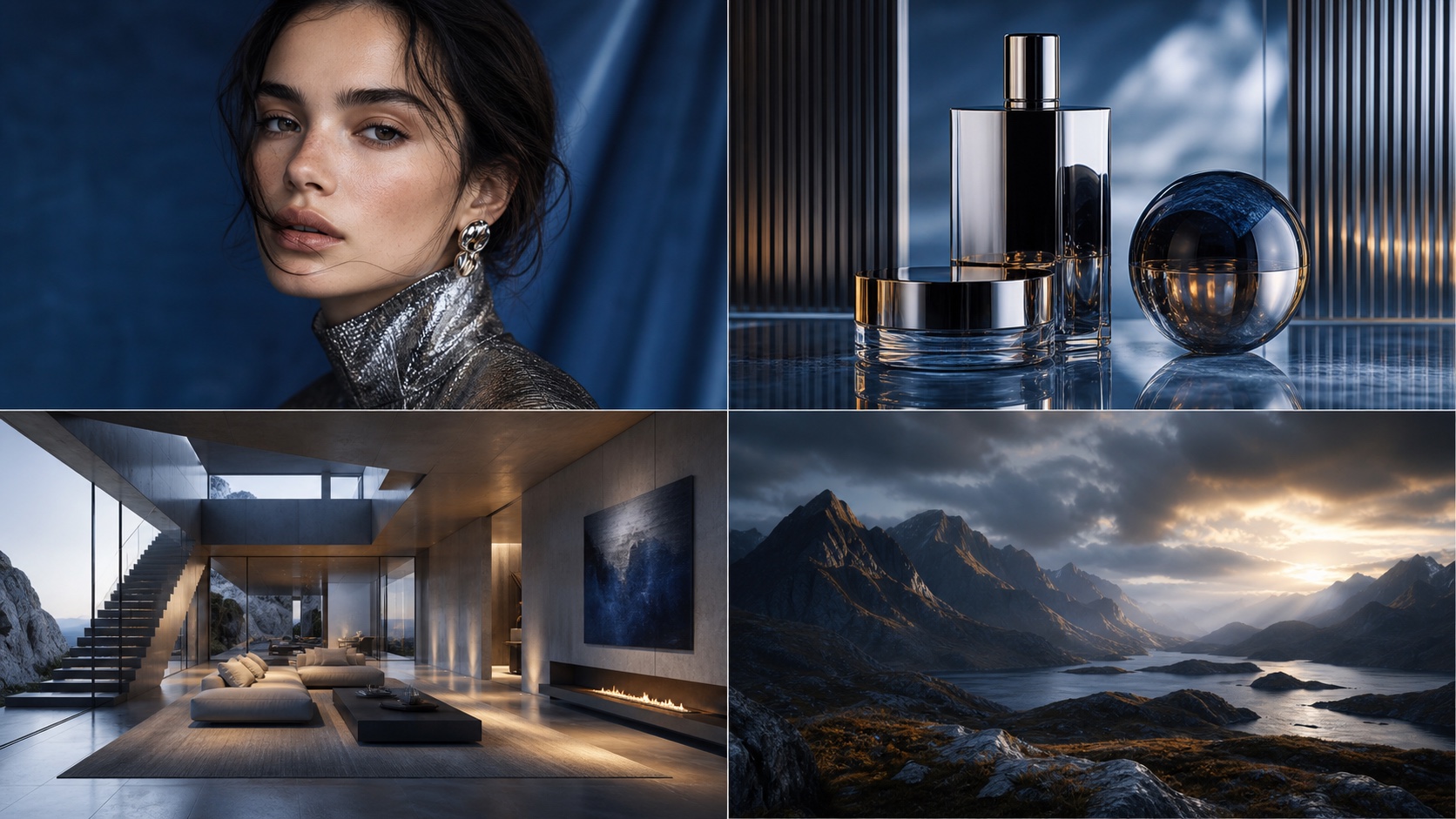
Midjourney V8.1 Review: Speed, 2K HD and Image Quality
Explore Midjourney V8.1's speed, 2K HD capabilities, and image quality. This review covers prompt adherence, text, anatomy, and material detail.
Read More
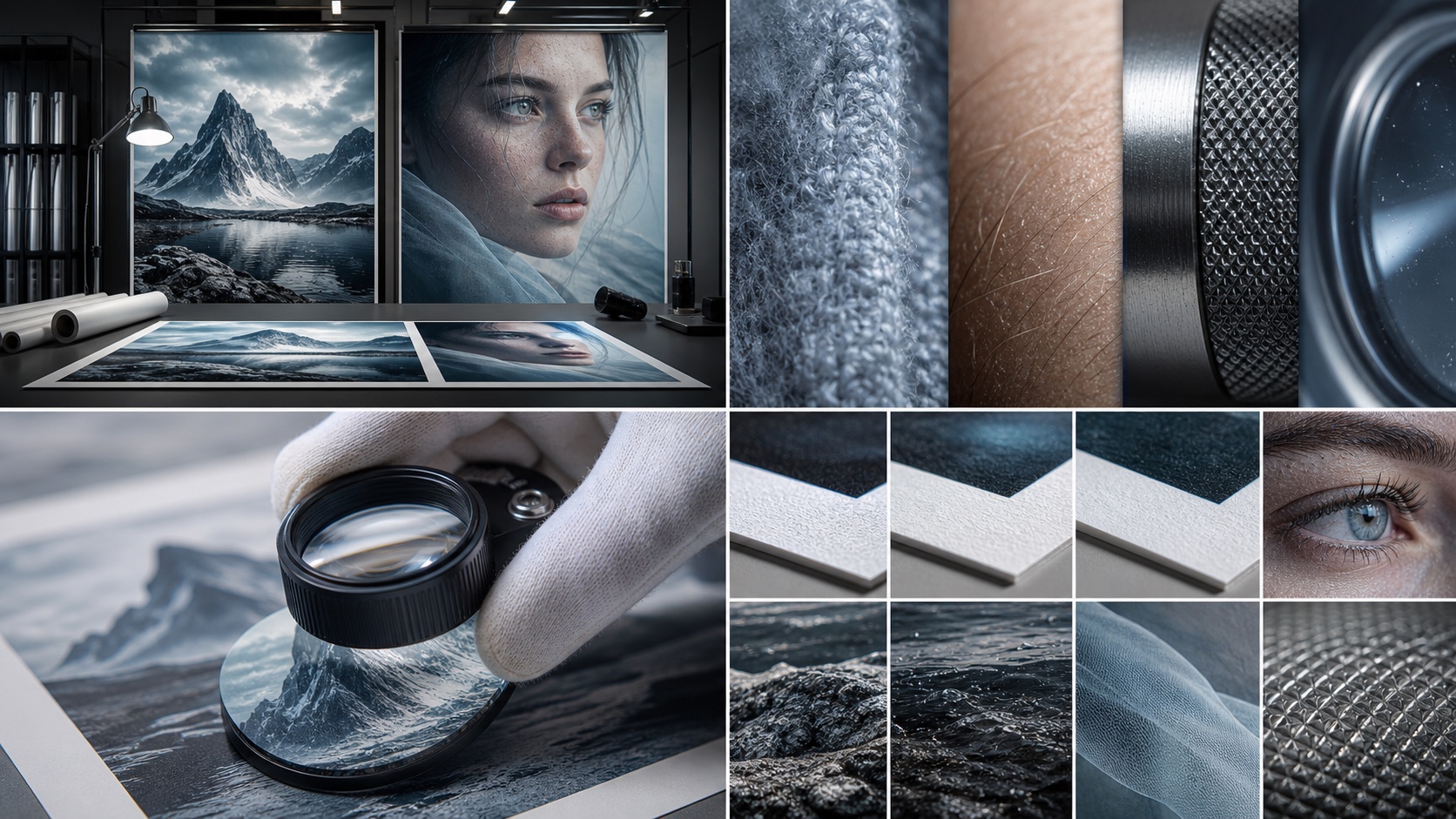
Midjourney V8.1 HD vs SD: Quality, Speed and GPU Cost
Compare Midjourney V8.1 HD and SD modes for quality, speed, and cost. Get recommendations for different deliverables and workflows.
Read More
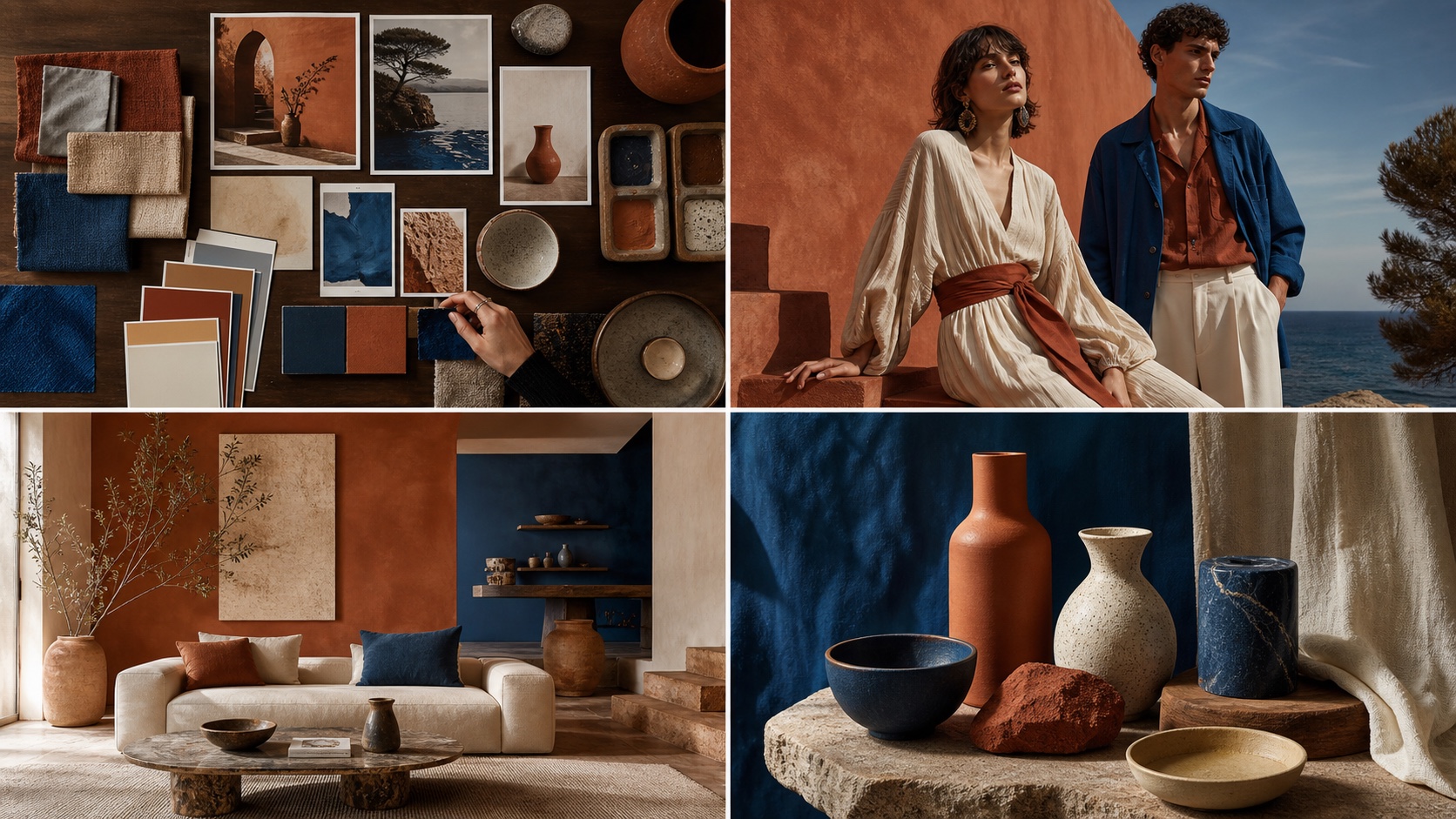
Midjourney V8.1 Moodboards and Style References
Use Midjourney V8.1 moodboards and style references with a practical workflow, compatibility table, and prompts for repeatable visual campaigns.
Read More
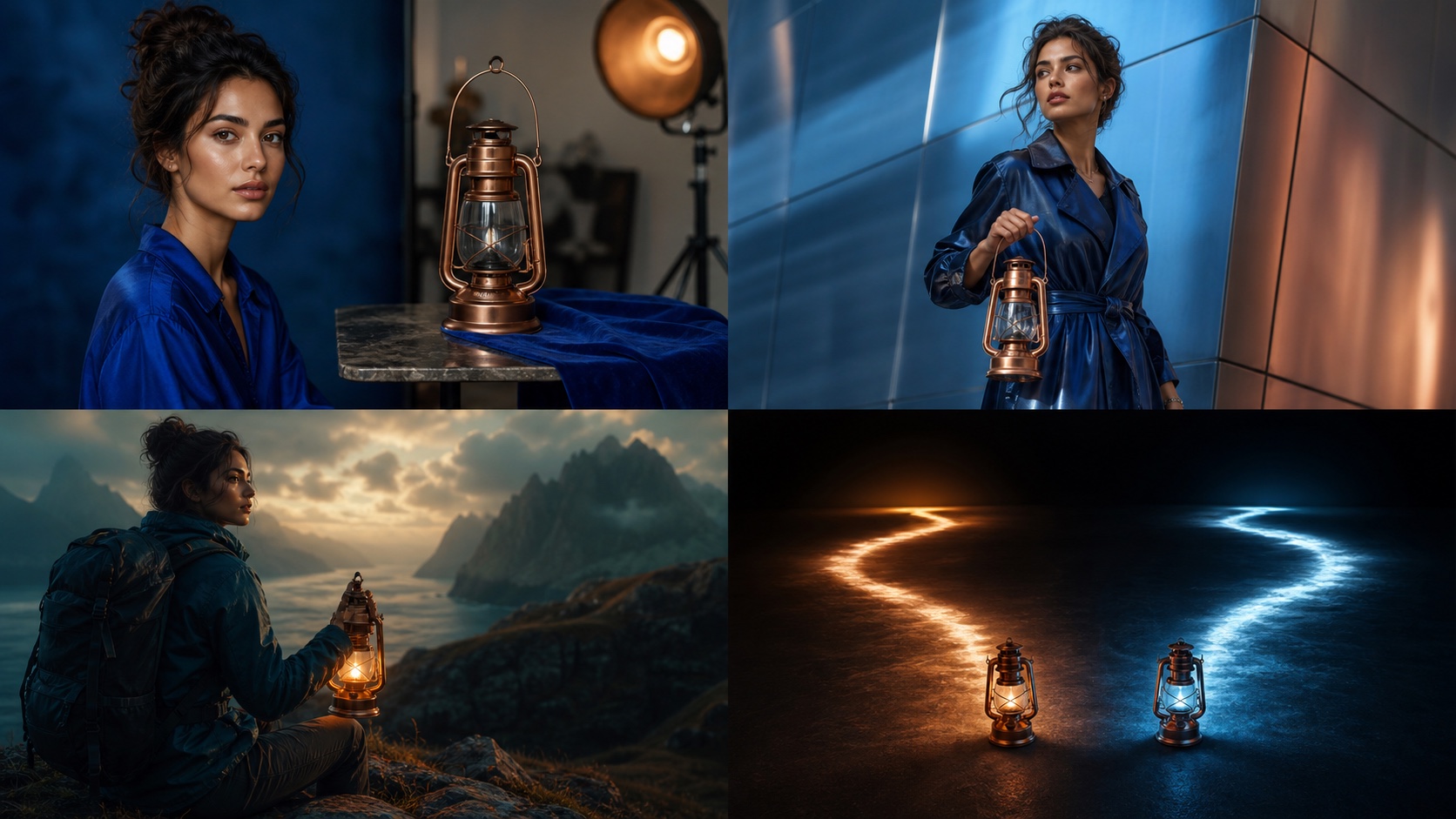
Does Midjourney V8.1 Support Omni Reference?
Midjourney V8.1 does not support Omni Reference. Discover why, compare it to image prompts, and find workarounds for consistent image generation.
Read More
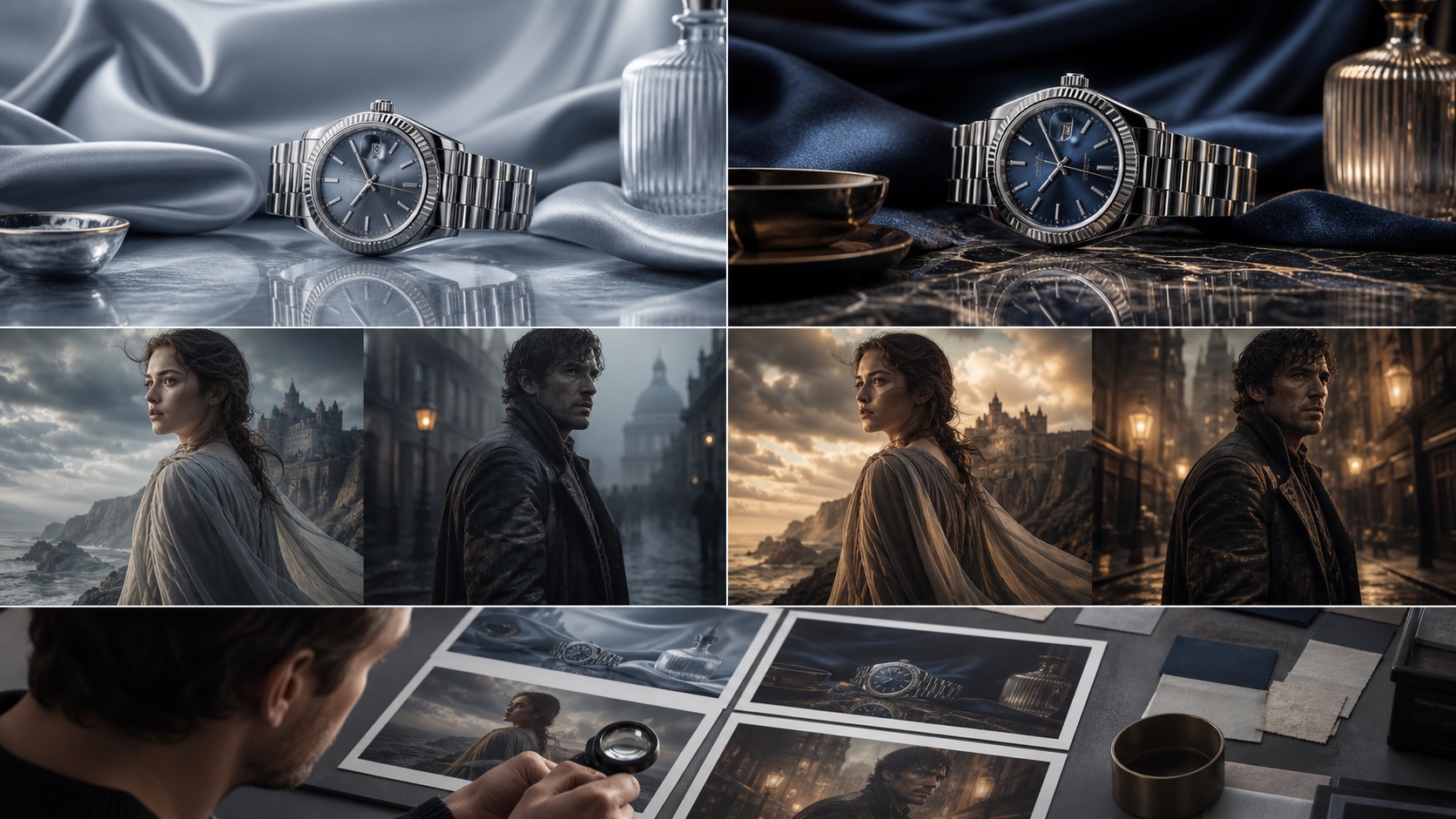
Midjourney V8.2 vs V8.1: What Changed?
Compare Midjourney V8.2 vs V8.1 with side-by-side tests. Understand prompt adherence, coherence, lighting, and texture differences.
Read More
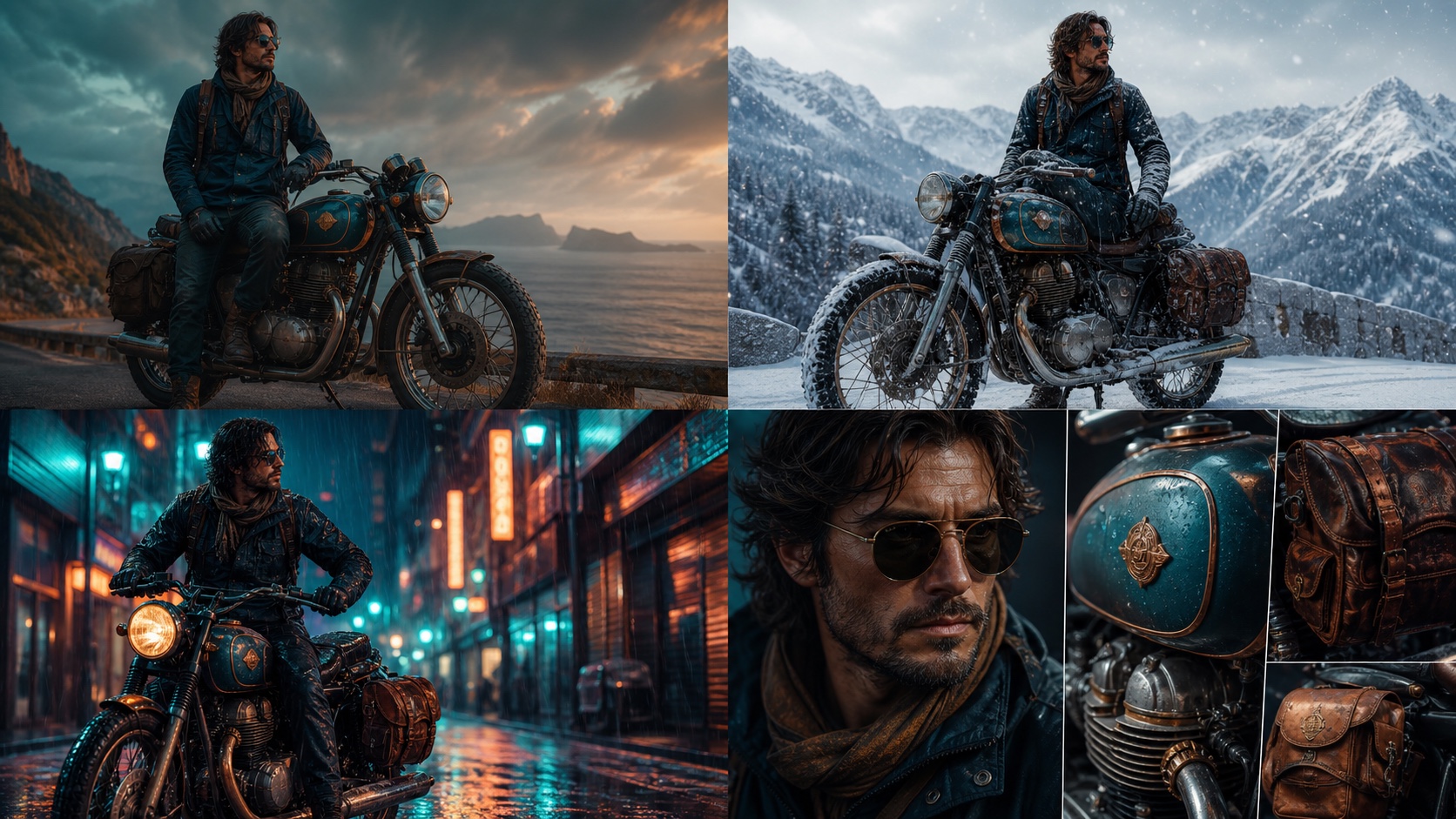
Midjourney V7 Omni Reference: A Practical --oref Guide
Learn to use Midjourney V7's Omni Reference (--oref) for consistent character and object generation, including --ow weights and workflow tips.
Read More

Qwen Image 3 Pro vs Nano Banana Pro: An Honest 2026 Comparison
Qwen Image 3 Pro vs Nano Banana Pro (2026): realism, text rendering, bilingual, price, open weights. Nano Banana Pro wins realism at ~$0.13/image; Qwen from ~$0.021.
Read More
How to Use the Qwen Image 3 Pro API via DashScope: A Developer Tutorial
Learn to call Alibaba's qwen-image-3.0-pro model via DashScope. Setup, API key, cURL and Python examples, plus pricing at ~$0.075 per image.
Read More
7 Use Cases Where Qwen Image 3 Pro Is the Strong Pick
Qwen Image 3 Pro shines for bilingual text rendering, 2K infographics, PPT graphics, and in-image text editing. Here are 7 use cases where it beats the field.
Read More

Qwen Image 3 Pro: The Complete Guide to Alibaba's Flagship Image Model in 2026
Qwen Image 3 Pro ranks #2 globally among image models in 2026. Learn what it is, how to access it via DashScope, and where it beats GPT Image and Nano Banana.
Read More

720P vs 1080P AI Video: When Cheaper Actually Looks Better
1080P is not always the right choice for AI video. Here is how 720P and 1080P compare on file size, render time, cost, and visible quality, with clear rules for when to pick each.
Read More
Audio-Driven Avatar Videos With Wan 2.7: A Talking-Head Workflow
Wan 2.7 I2V audio-driven mode turns a still portrait plus a clean voiceover into a lip-synced talking-head video. Here is the 6-step workflow with portrait prep, audio prep, and three failure modes to avoid.
Read More

Best AI Video Generator in 2026: 8 Models Tested by Use Case
We compared 8 leading AI video models in 2026, including Wan 2.7, Sora 2, VEO 3, Kling, Seedance, PixVerse, HappyHorse, and Runway. Here is which model wins each use case, based on vendor specs and public testing.
Read More
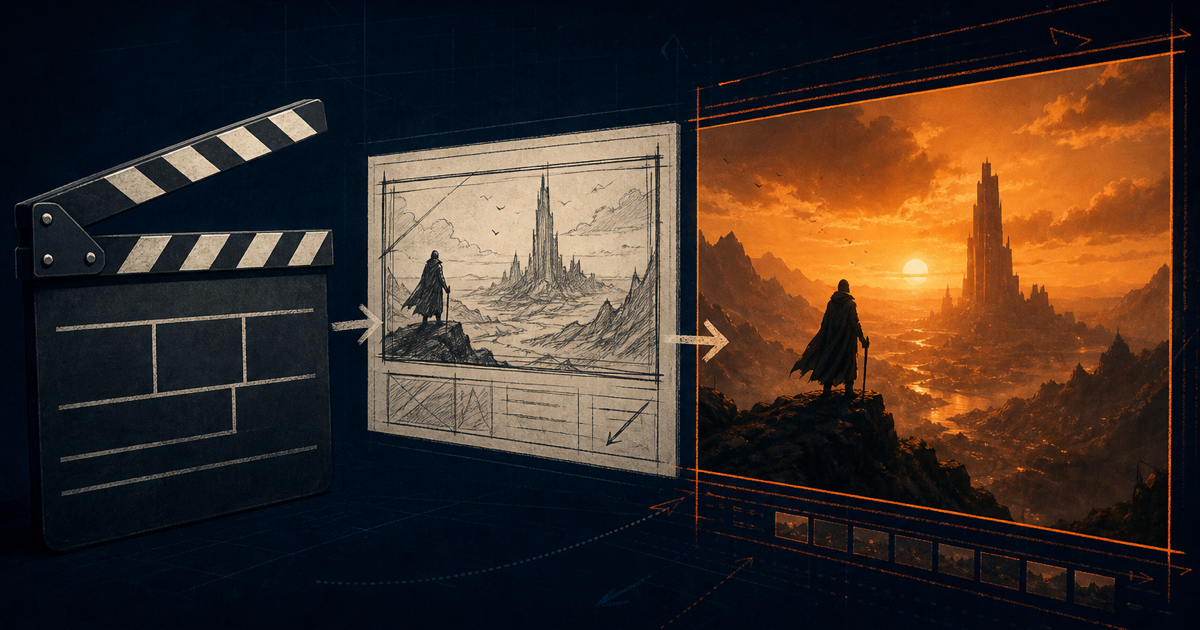
Cinematic Previsualization With Wan 2.7: A 4-Shot Case Study
A composite case study showing how an independent short film used Wan 2.7 for cinematic previs across four shot types: establishing, medium, close-up, and wide. Includes prompt templates, cost breakdown, and lessons learned.
Read More
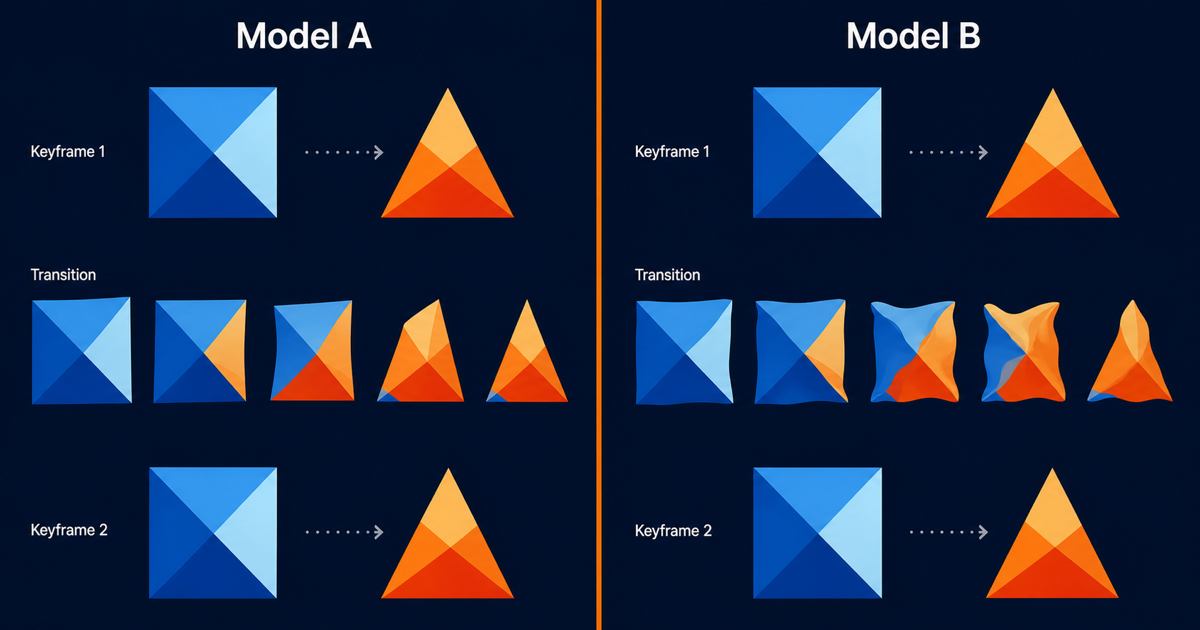
First-Last-Frame AI Video: Wan 2.7 vs Sora 2 (Specs, Modes, and Tradeoffs)
Wan 2.7 and Sora 2 both generate video from keyframes, but they expose different controls. Here is a side-by-side comparison based on vendor-published specs as of July 2026.
Read More
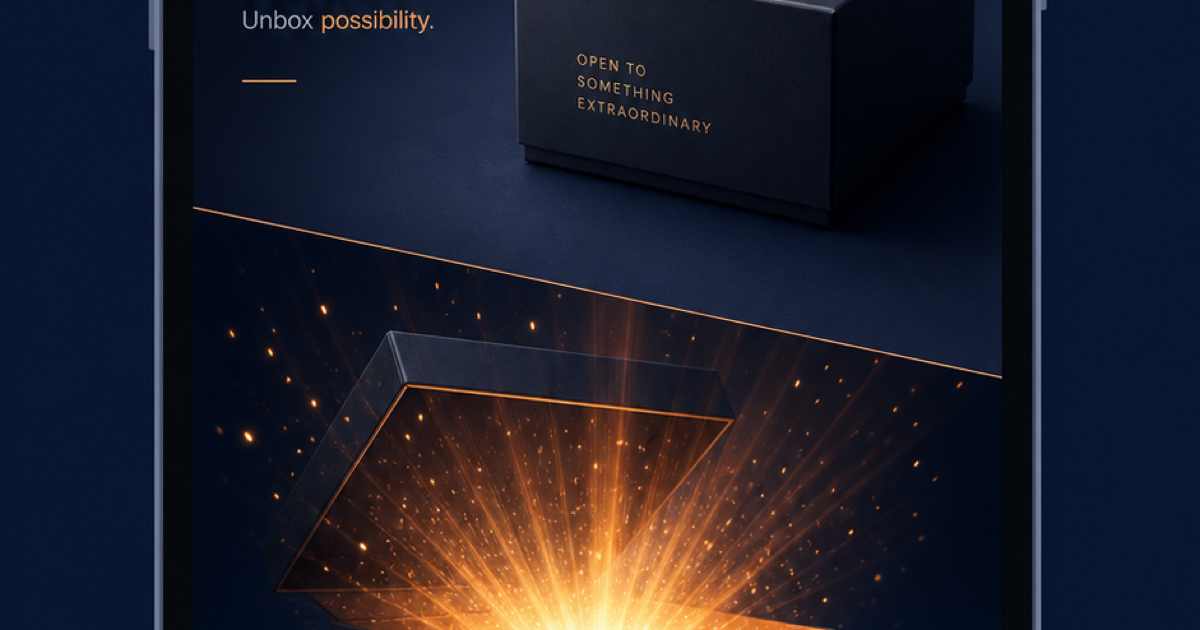
First-Last-Frame Product Reveals for Instagram Ads: A Wan 2.7 Case Study
A composite case study showing how a skincare brand used Wan 2.7 first-last-frame to produce a 5-second 9:16 Instagram reveal ad, with prompt, cost, and lessons learned across three iterations.
Read More
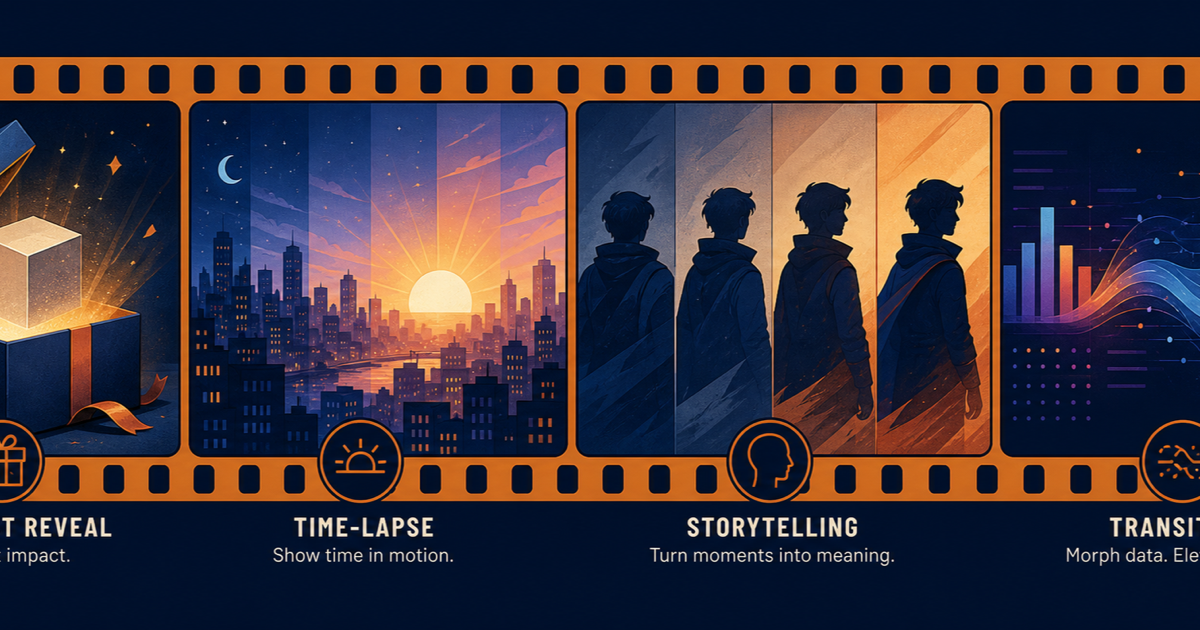
5 First-Last-Frame Video Use Cases That Actually Work
First-last-frame video generation shines for product reveals, time-lapses, character turns, transitions, and abstract data motion. Here are five use cases with prompt templates and failure modes.
Read More
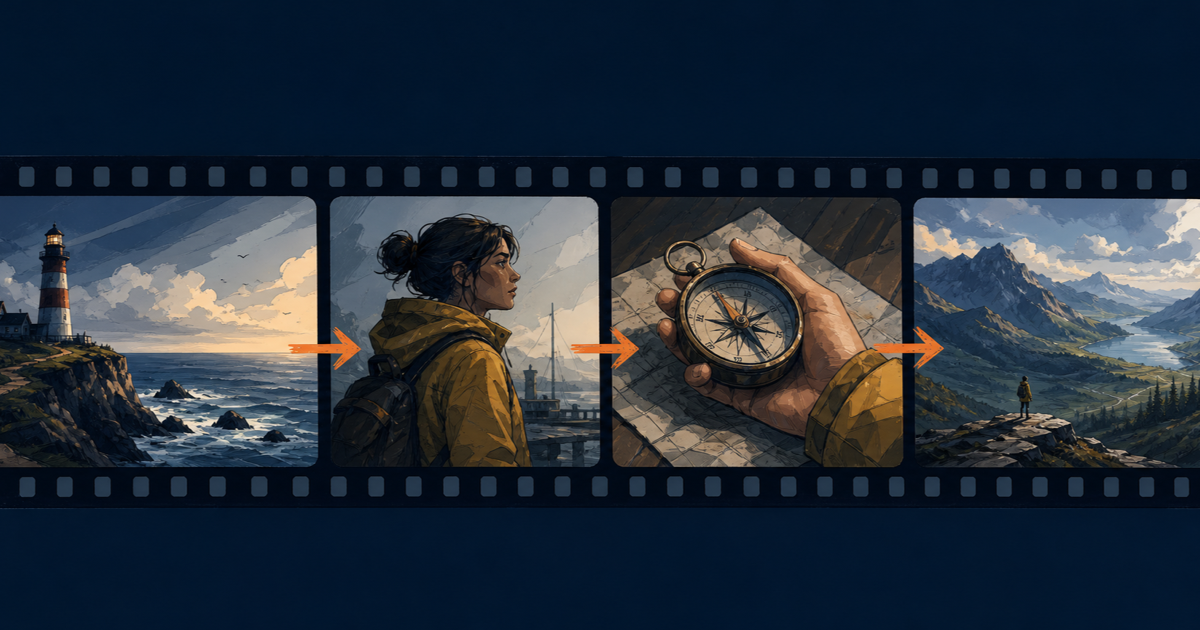
Multi-Shot Video Prompts With Wan 2.7: A 4-Sequence Tutorial
Wan 2.7 supports multi-shot sequences in a single prompt. Here is the 4-shot prompt structure with four sequence archetypes: narrative arc, product tour, tutorial step, and mood piece.
Read More

Multimodal Video Generation Explained: Why 2026 Is the Inflection Year
Multimodal video generation accepts text, images, video, and audio as combined inputs. Here is why the shift from single-modality models to multimodal fusion matters, and what to expect next.
Read More
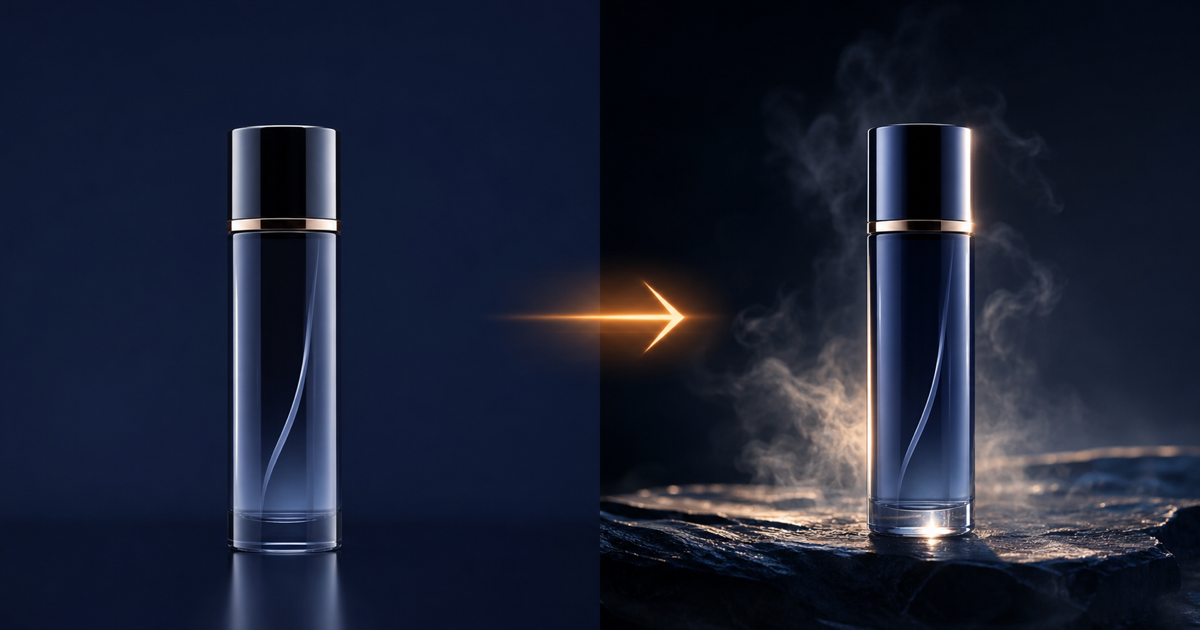
Product Photo to 1080P Video With Wan 2.7: A 5-Step Guide
Turn any product photo into a 1080P marketing video with Wan 2.7 I2V first-frame mode. Here is the 5-step workflow with three prompt templates for skincare, electronics, and apparel.
Read More
PromptExtend in Wan 2.7: Should You Let AI Expand Your Prompt?
PromptExtend is a Wan 2.7 API flag that auto-expands short prompts. Here is when it helps (short prompts, abstract subjects), when it hurts (specific camera work), and our recommended default.
Read More
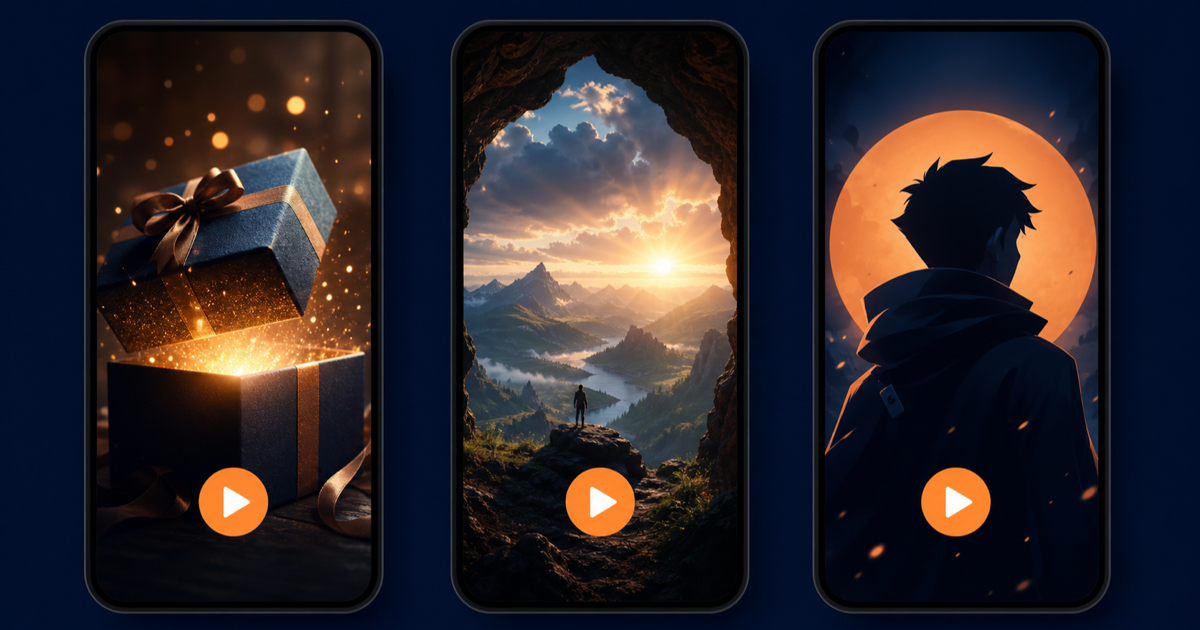
Social Video Hooks With Wan 2.7 First-Last-Frame: 5 Hook Patterns
Wan 2.7 first-last-frame is ideal for social video hooks: scroll-stopping first frame, call-to-action last frame. Here are five hook patterns with keyframe prep, prompts, and failure modes.
Read More

Wan 2.7 vs VEO 3 vs Kling at 1080P: A Qualitative Benchmark
How do Wan 2.7, VEO 3, and Kling 2.0 compare at 1080P AI video generation? We compare published specs, motion coherence, and artifact patterns based on vendor docs and third-party observations.
Read More
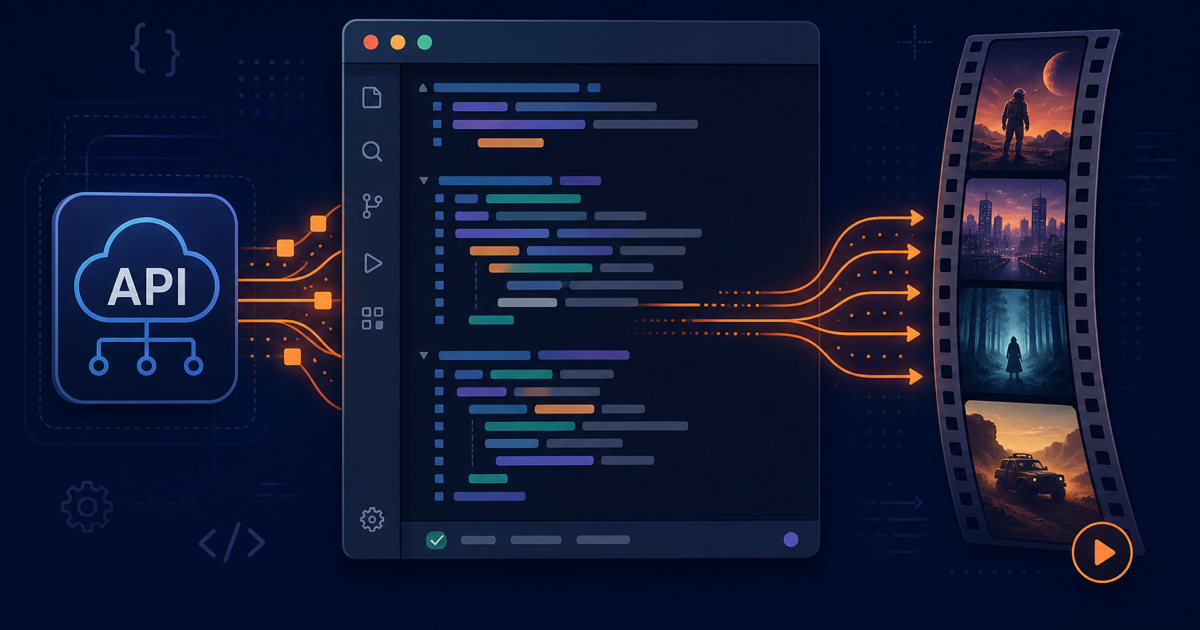
Wan 2.7 API Integration Guide: T2V, I2V, and R2V Endpoints Explained
A developer tutorial for integrating Wan 2.7 video generation APIs, covering T2V, I2V (first-frame, first-last-frame, audio-driven), and R2V multimodal. Includes cURL, Python examples, and async polling patterns.
Read More

Wan 2.7 Audio-Driven Video: A Talking-Head Workflow Guide
Wan 2.7 I2V audio-driven mode turns a still portrait plus an audio track into a lip-synced video. Here is the four-step workflow with quality checks and failure modes.
Read More
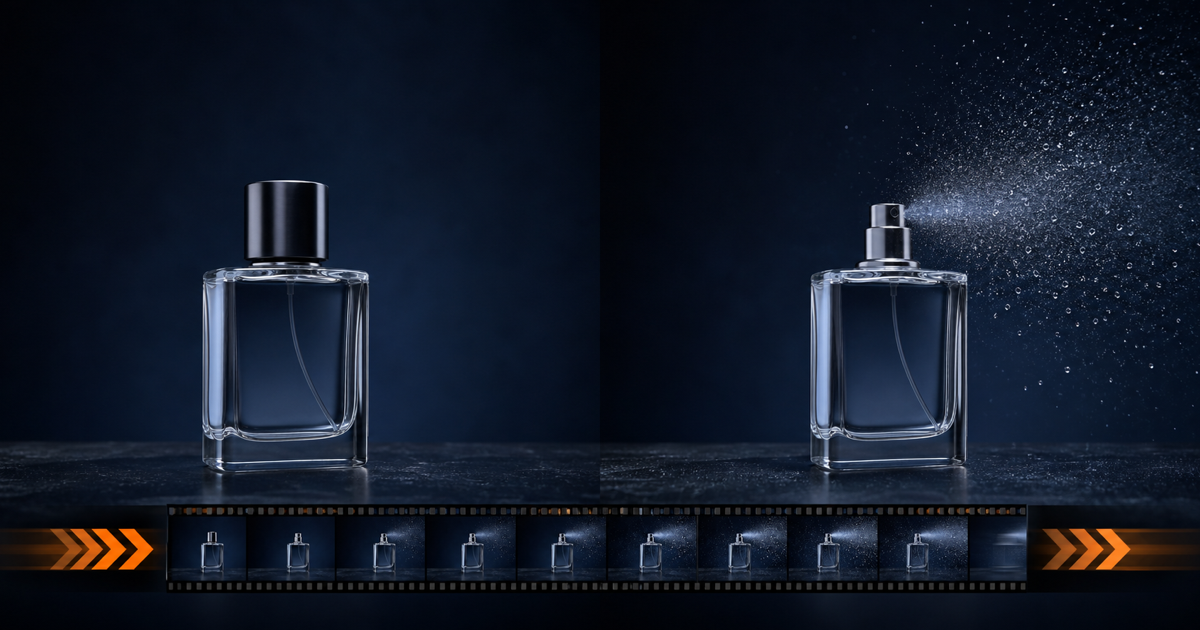
Wan 2.7 First-Last-Frame Control: A 5-Step How-To Guide
First-last-frame mode in Wan 2.7 lets you define the start and end states of a generated clip. Here is the 5-step workflow with prompt patterns, failure modes, and three worked examples.
Read More
Wan 2.7 Free Trial: Render Your First 1080P Video in 5 Minutes
A five-minute walkthrough to render your first Wan 2.7 1080P video on PixMind. No credit card required. Includes three starter prompts for product, character, and abstract motion.
Read More
Wan 2.7 Image-to-Video: 4 Modes Explained (First Frame, Last Frame, Continuation, Audio)
Wan 2.7 image-to-video exposes four modes in one API. Here is how first-frame, first-last-frame, video continuation, and audio-driven differ, with prompts and failure modes for each.
Read More
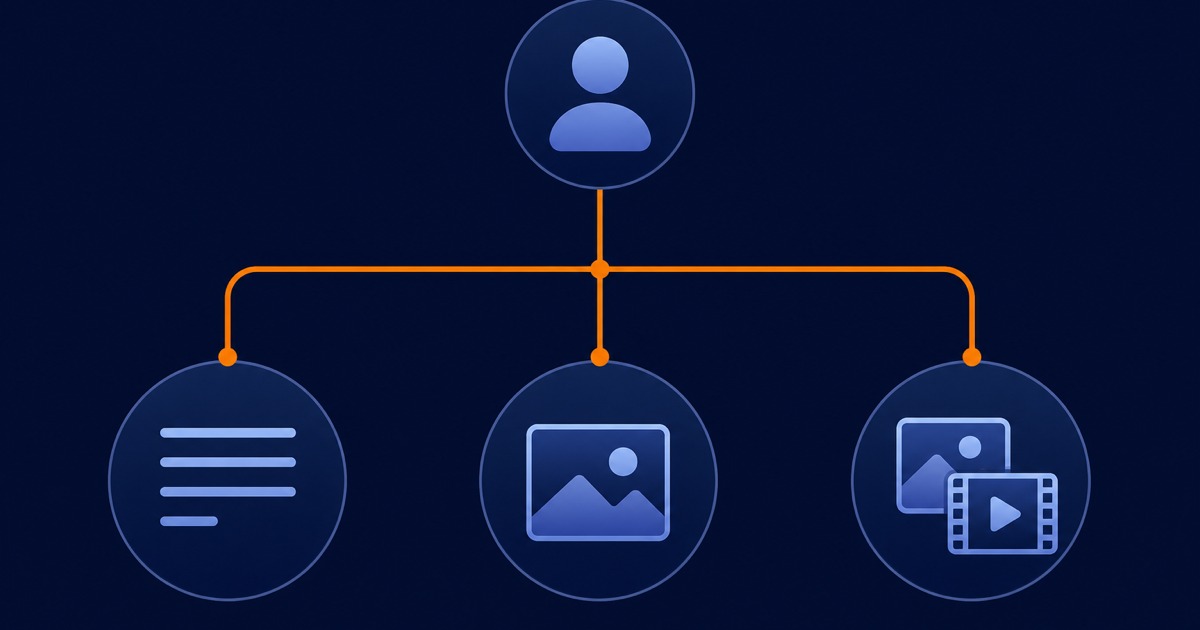
How Wan 2.7 Mode Auto-Routing Works (and When to Override It)
Wan 2.7's unified API routes between T2V, I2V, and R2V based on inputs. Here is how the routing rules work, why they matter, and when developers should bypass auto-routing for explicit control.
Read More
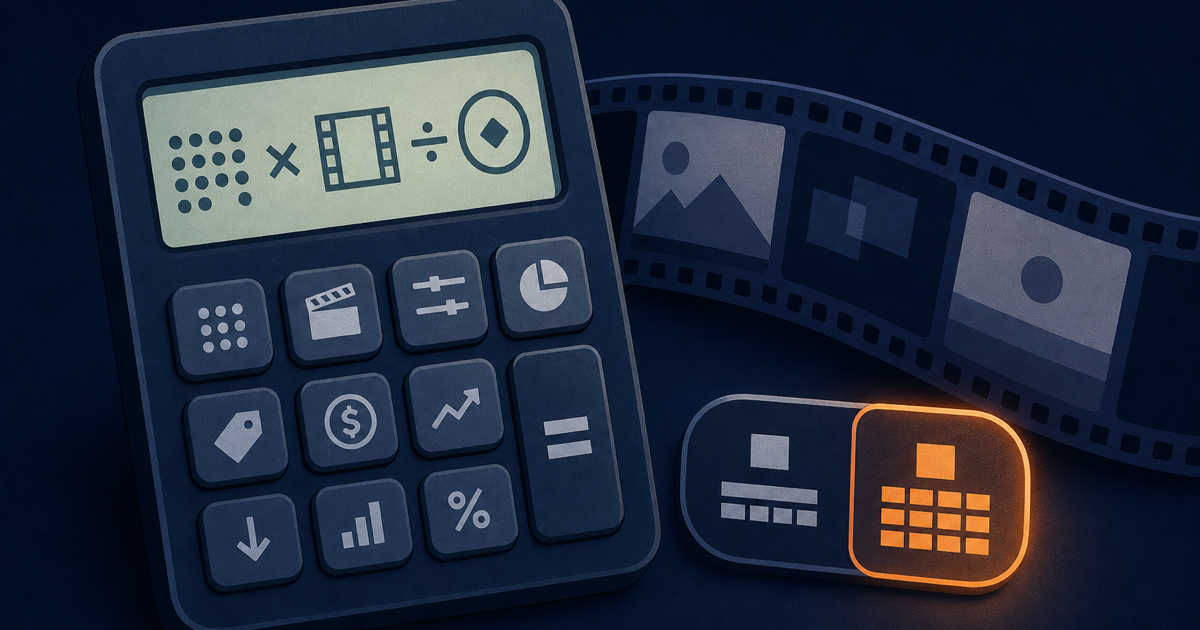
Wan 2.7 Pricing: How Resolution, Duration, and Mode Affect Cost
Wan 2.7 video cost follows a simple formula: resolution credits multiplied by duration. Here is the full pricing breakdown with five ways to spend fewer credits per render.
Read More
Wan 2.7 Prompt Engineering: 12 Reusable Patterns With Examples
Twelve Wan 2.7 prompt patterns you can copy and adapt. Each pattern includes a template, a worked example, and the failure mode to watch for.
Read More
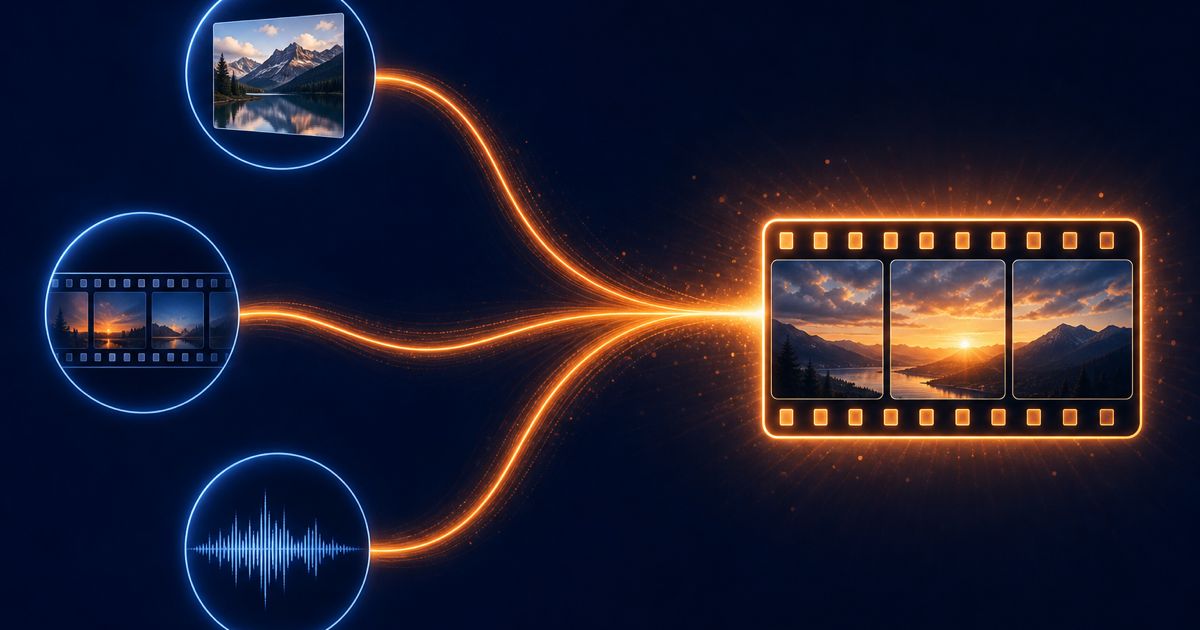
Wan 2.7 R2V: Multimodal Reference Video Generation Guide
Wan 2.7 reference-to-video (R2V) takes up to 5 reference images, 5 reference clips, and a reference audio in one call. Here is how to combine them, when to use R2V, and how to avoid the common failures.
Read More
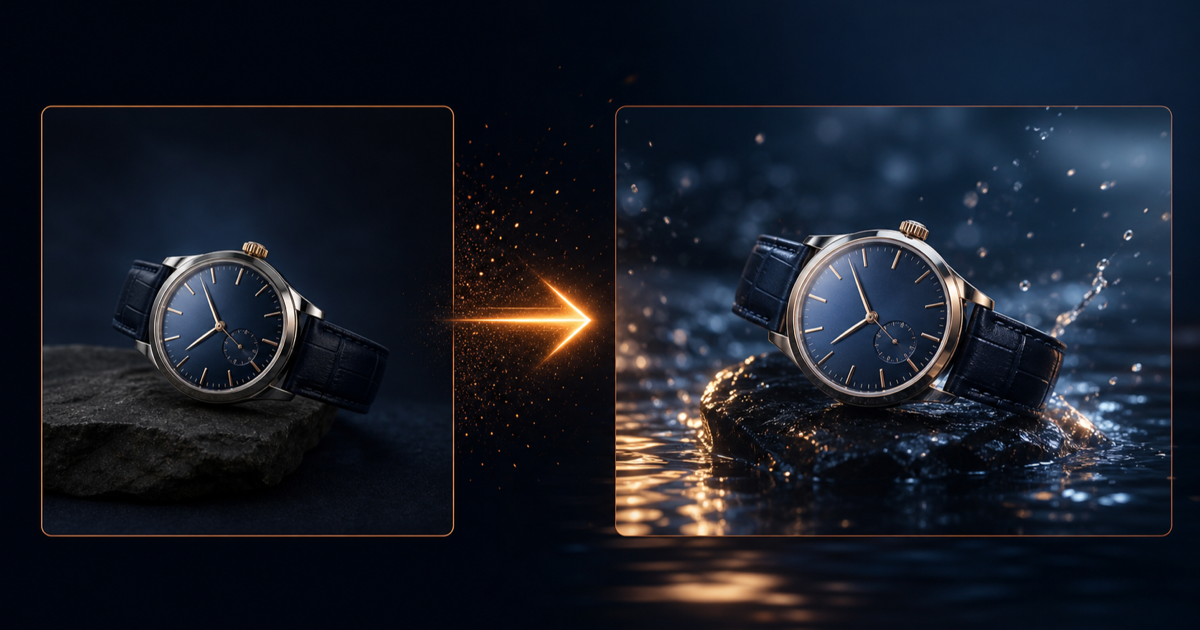
Wan 2.7 Video Generator: Complete Guide to Text, Image, and Reference Video
Wan 2.7 generates 1080P video from text, images, first-last frames, and reference clips plus audio in one workflow. Here is how every mode works and when to use each.
Read More

Wan 2.7 vs VEO 3 vs Kling 2.0: The 2026 Showdown
Three leading AI video models in 2026 compared across six capabilities: duration, resolution, first-last-frame, audio drive, reference video, and cost. Here is who wins each, and why.
Read More
Wan 2.7 vs Sora 2: A Prompt-by-Prompt Comparison
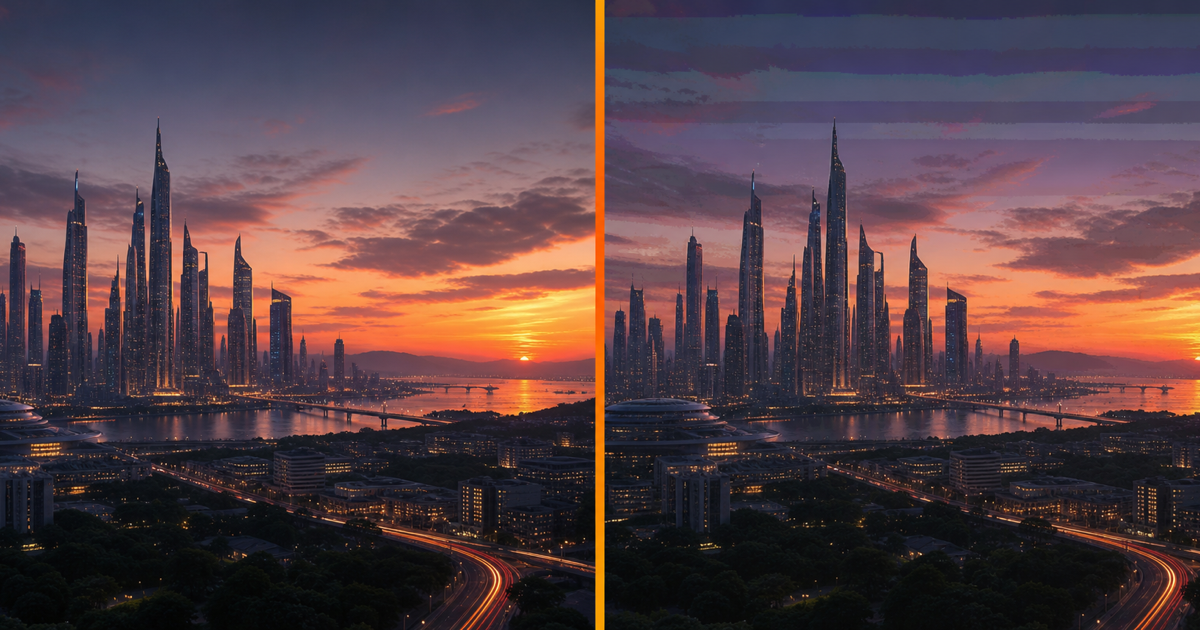
We compare Wan 2.7 and Sora 2 across three prompt categories: cinematic, product, and character. Here is how the two models behave, based on vendor docs and public community observations.
Read More
Midjourney V7 Parameters: Stylize, Weird, Raw and More
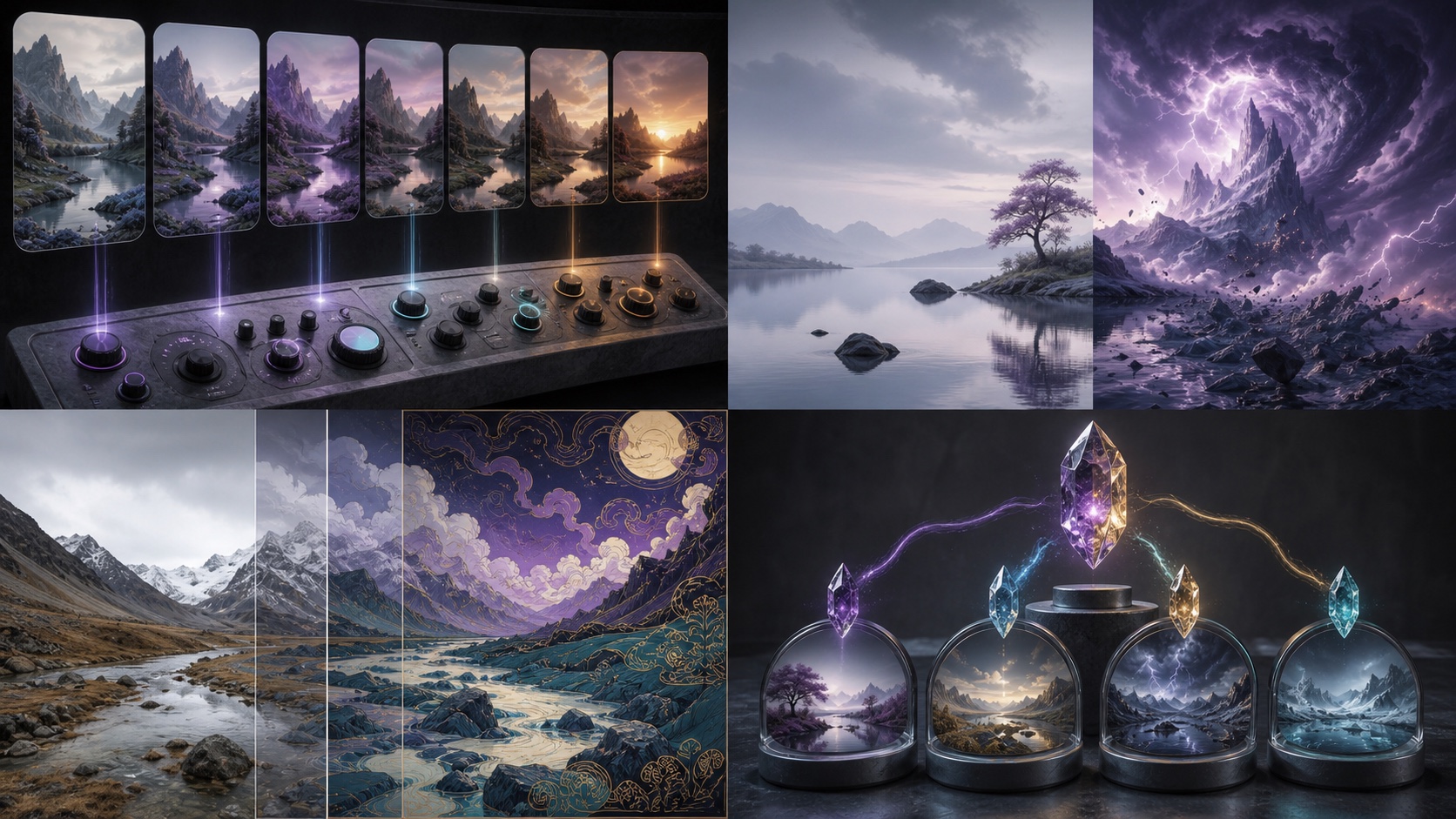
Learn Midjourney V7 parameters including Stylize, Weird, Raw, and Omni Reference, with a practical cheat sheet for choosing the right settings.
Read More
50 Midjourney V7 Prompts for Real Creative Work
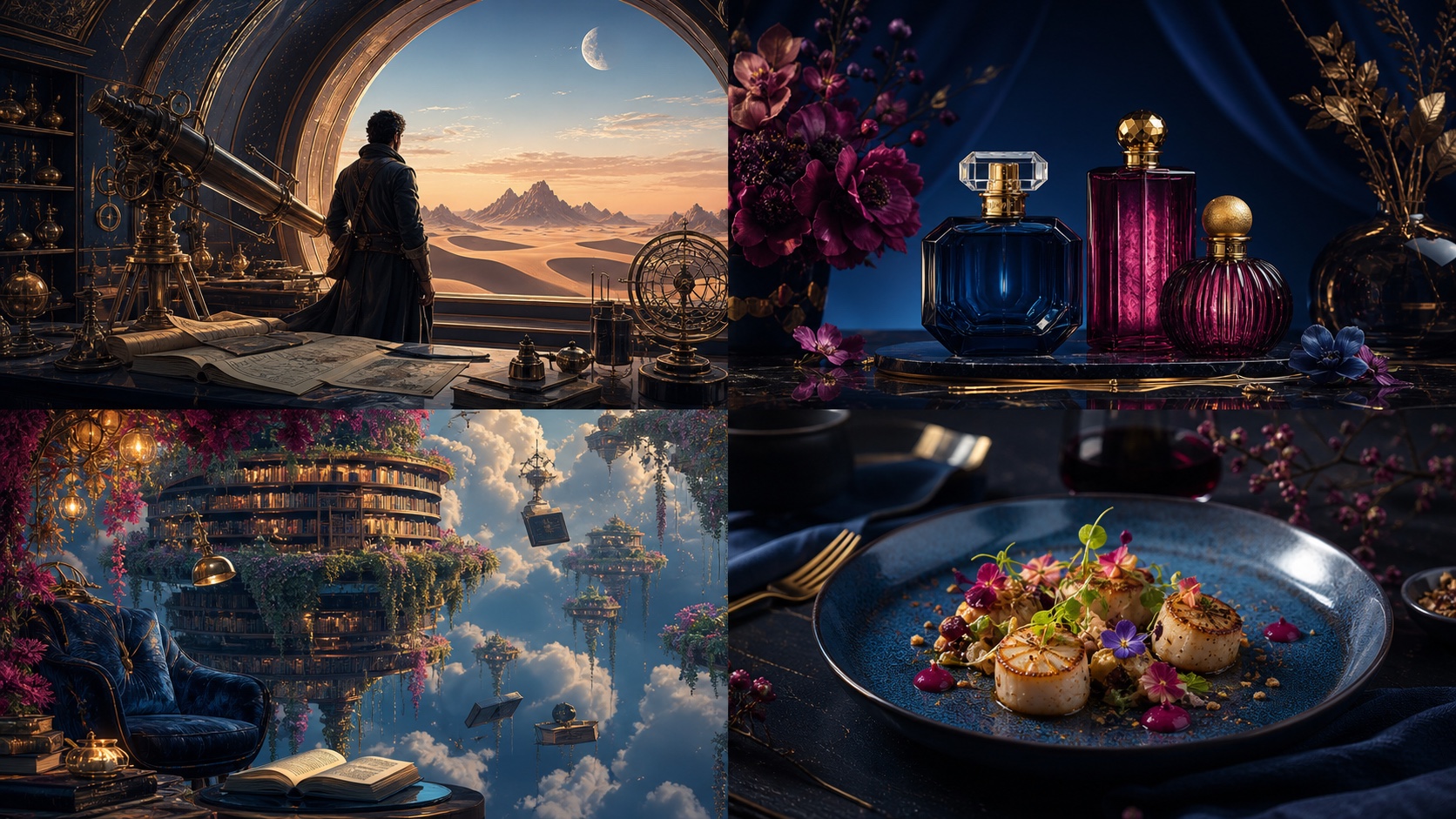
Master Midjourney V7 with 50 expert-crafted prompts for portraits, products, architecture, and more. Learn parameter tuning and fix common issues.
Read More
Nano Banana 2 for Business: 7 Enterprise Use Cases and ROI Analysis
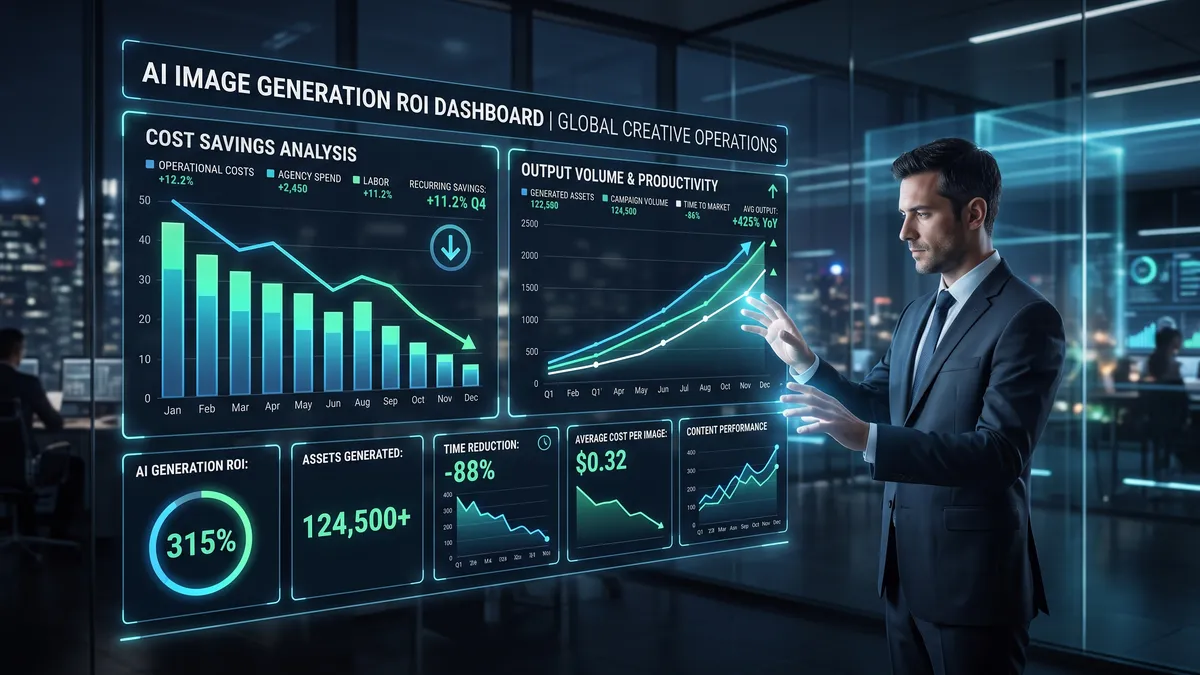
Nano Banana 2 cuts enterprise image costs by 80% vs traditional methods. See how 7 businesses use it for marketing, e-commerce, and content with real ROI number
Read More
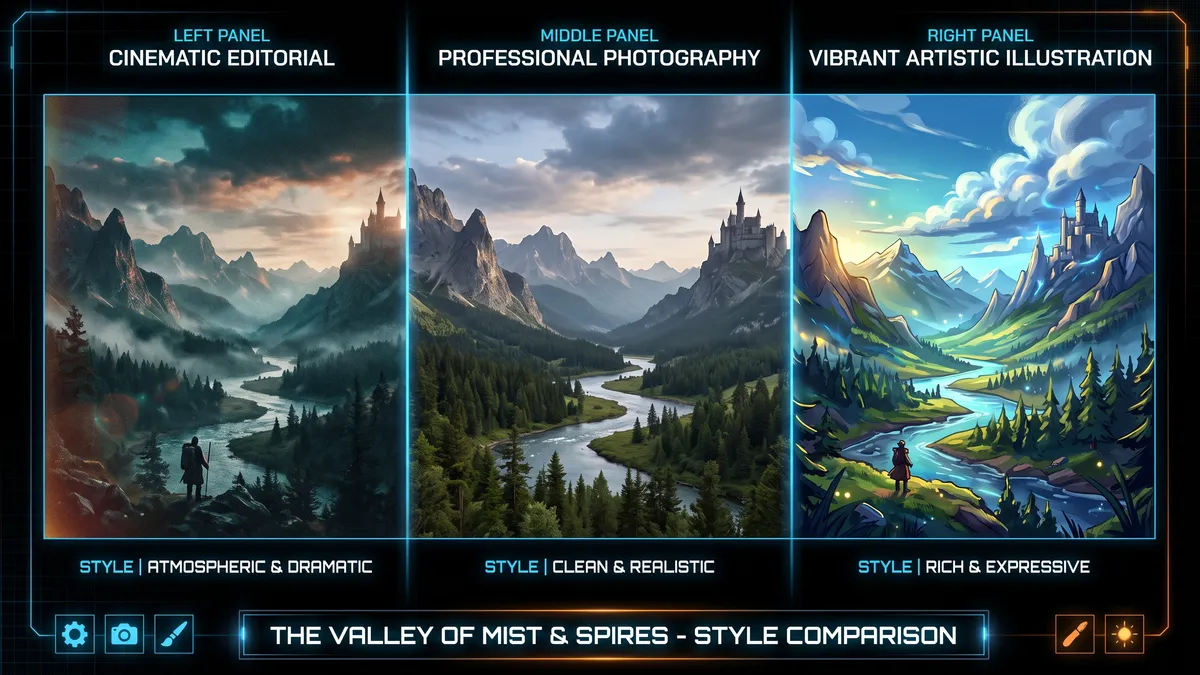
Midjourney v7 vs GPT-Image-2 vs Nano Banana 2: Best AI Image Generator in 2026
We tested Midjourney v7, GPT-Image-2, and Nano Banana 2 with 30 identical prompts. Midjourney wins artistic quality; Nano Banana 2 wins value. See full results.
Read More
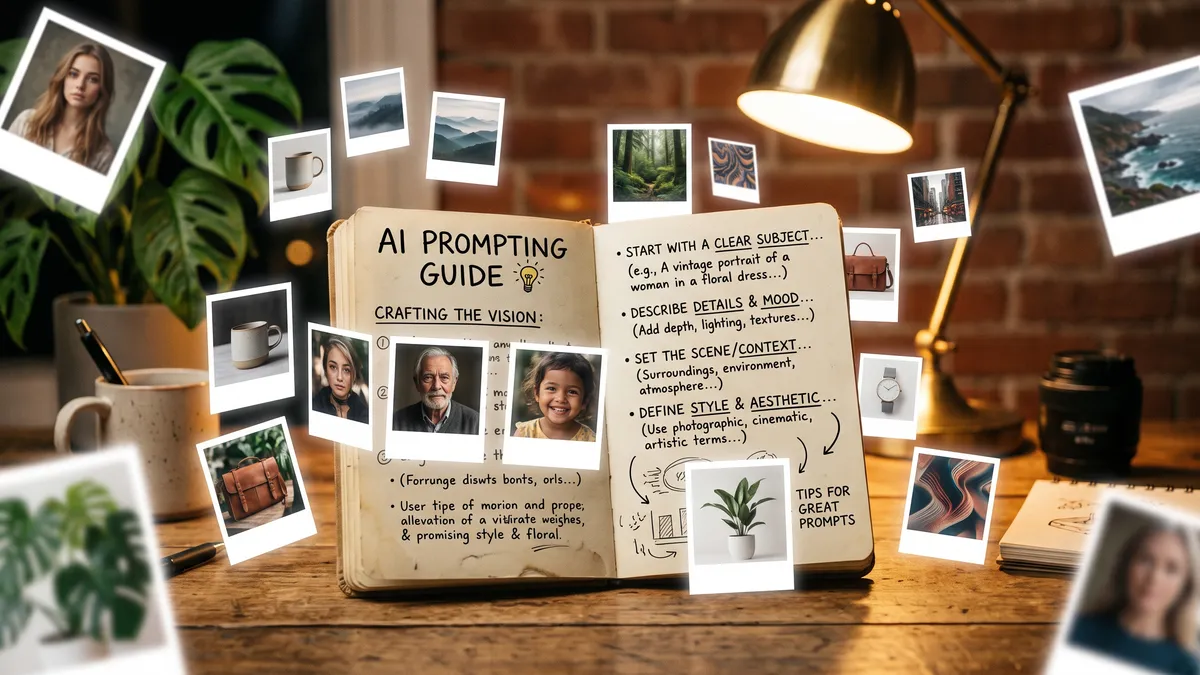
Nano Banana Pro Prompting Guide: 15 Techniques for Stunning AI Images
Master Nano Banana Pro with 15 proven prompting techniques from Google's official guide. Learn spatial anchors, negative constraints, and physics-based promptin
Read More
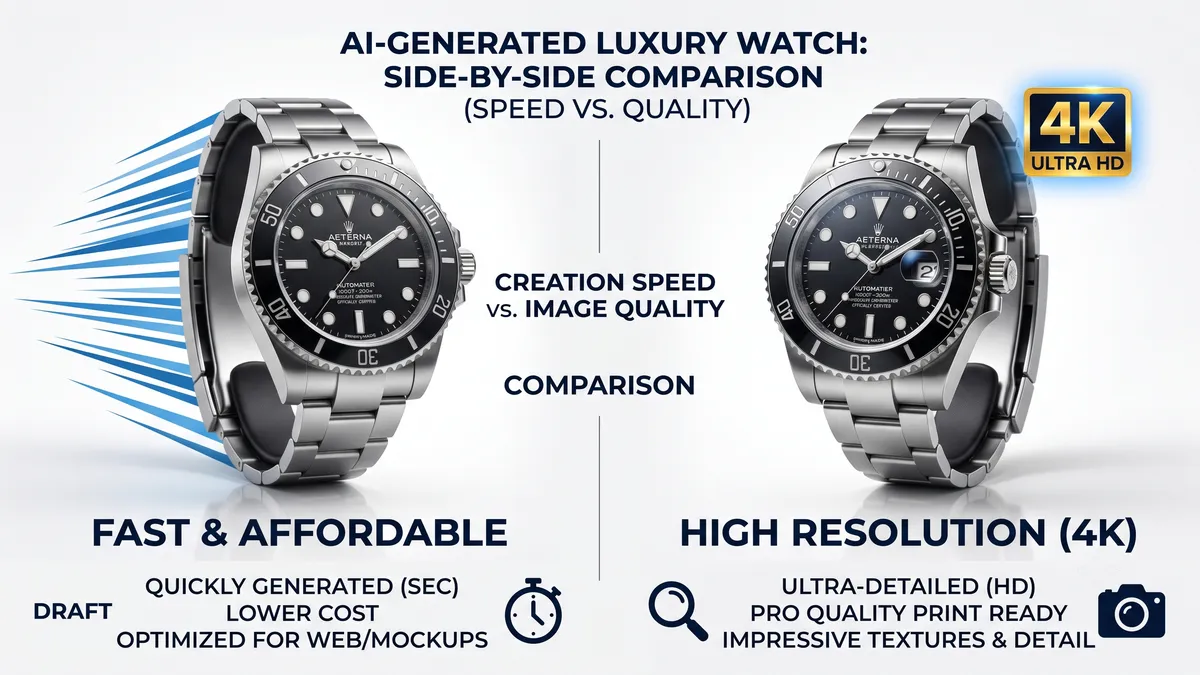
Nano Banana 2 vs Nano Banana Pro: Which Google AI Image Model Should You Use?
Nano Banana 2 is 80% cheaper than Nano Banana Pro with similar quality. We compared speed, resolution, text rendering, and pricing across 30 test prompts.
Read More
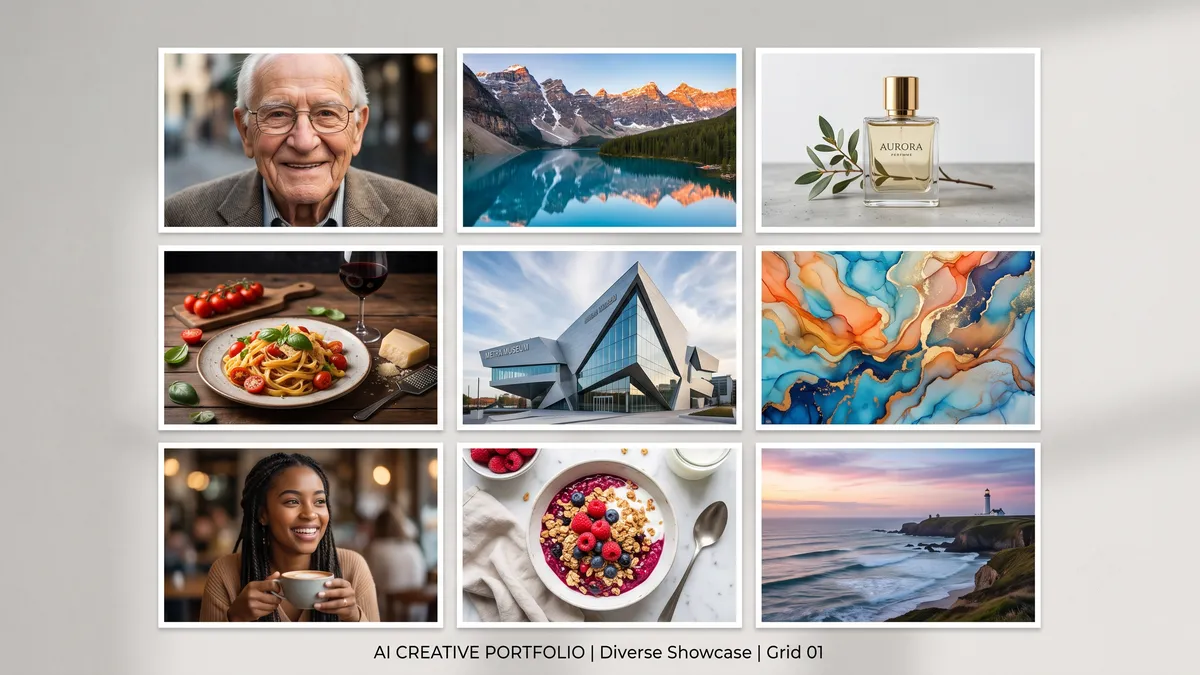
Nano Banana 2 Prompts: Complete Guide to Better AI Image Generation in 2026
Master Nano Banana 2 prompting with 40+ tested templates. Learn full-sentence structure, camera specs, text rendering, and industry-specific prompt patterns.
Read More
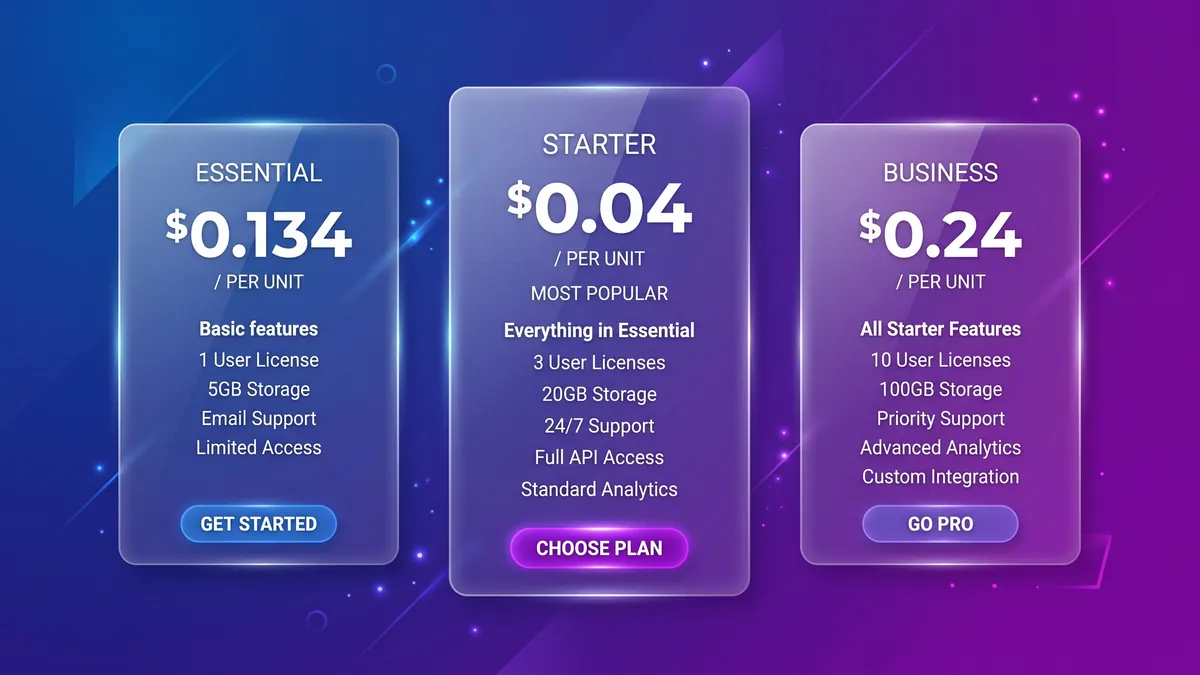
Nano Banana Pro Pricing: Complete 2026 Cost Guide & API Tier Comparison
Nano Banana Pro costs $0.134 per 1K/2K image and $0.24 per 4K image via Google's API. Third-party providers offer up to 50% savings. See full pricing breakdown.
Read More
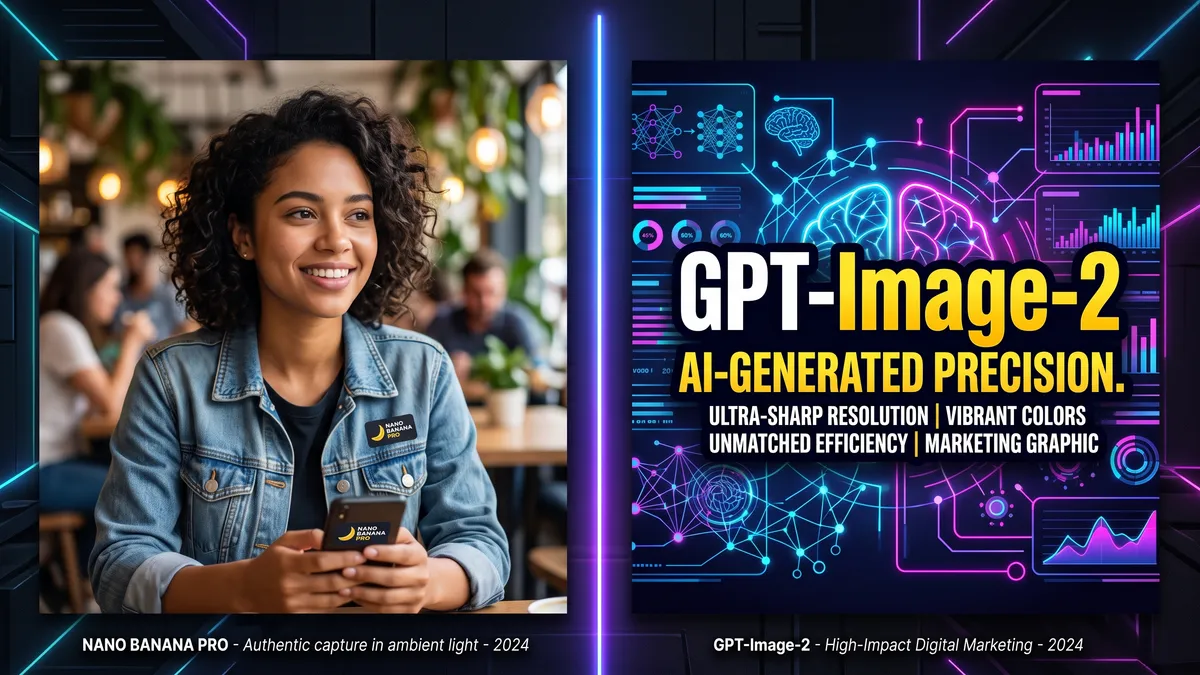
Nano Banana Pro vs GPT-Image-2: Which AI Image Model Is Better in 2026?
Nano Banana Pro produces 4K images at $0.134 vs GPT-Image-2 at $0.40+. We tested both with 50 identical prompts across 7 categories. See full results.
Read More
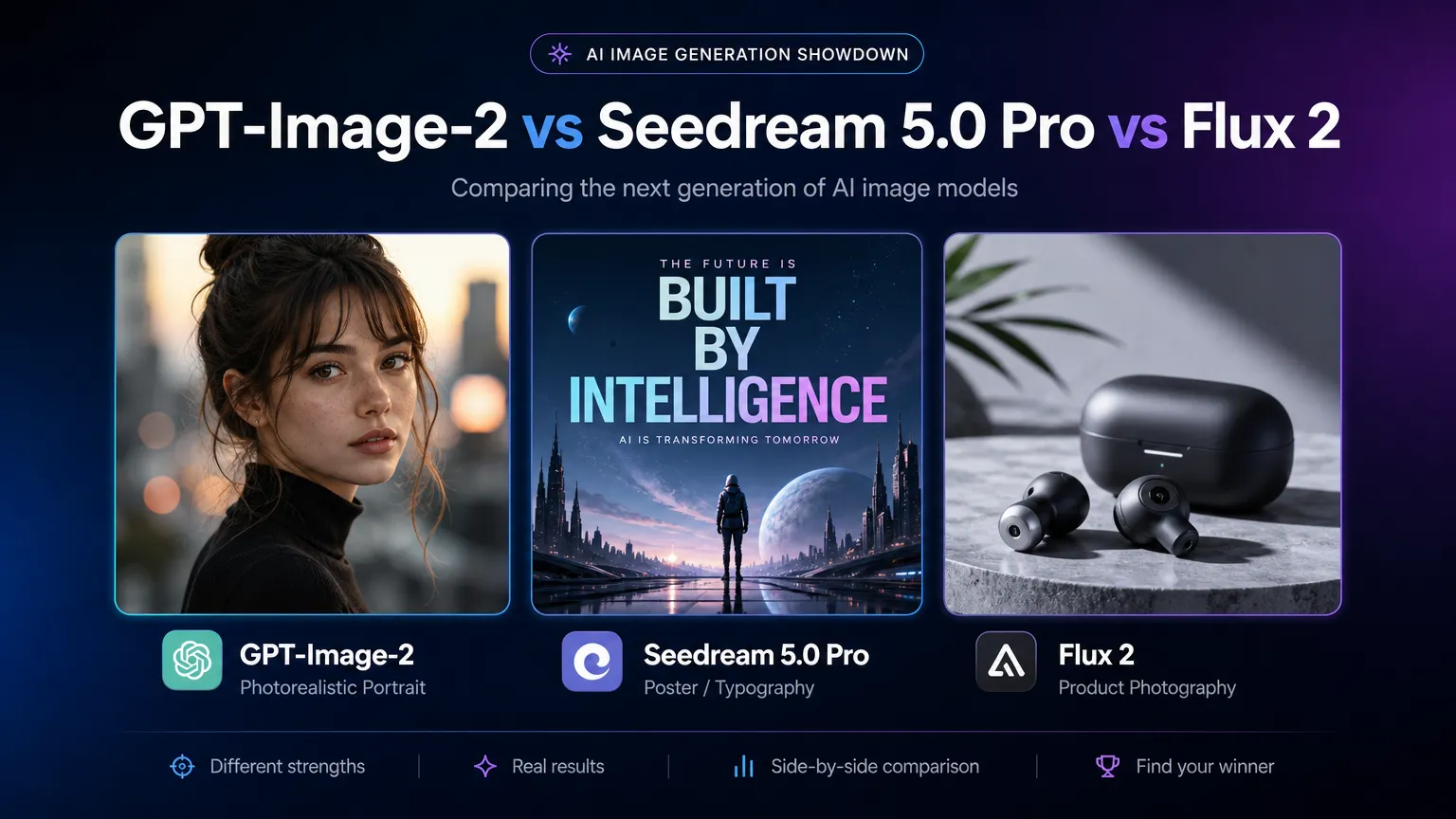
GPT-Image-2 vs Seedream 5.0 Pro vs Flux 2: Which AI Image Model Wins in 2026?
GPT-Image-2 starts at $0.005/image while Flux 2 Max costs $0.07 and Seedream 5.0 Pro hits $0.06 — but price is only one of 7 factors that decide the winner.
Read More
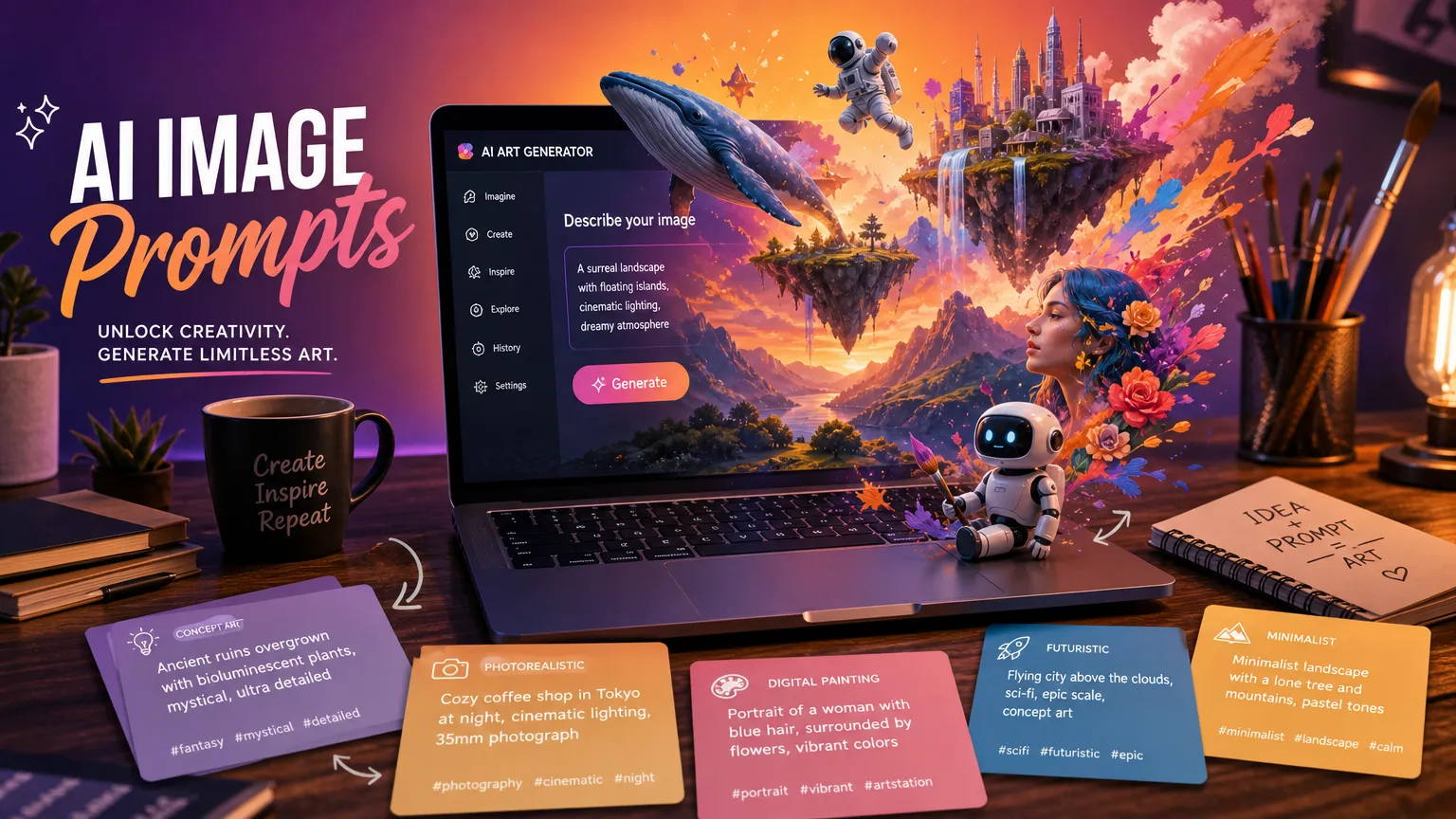
50+ Best GPT-Image-2 Prompts, Templates & Examples (2026 Guide)
Over 34 million AI images are generated daily. These 50+ copy-paste GPT-Image-2 prompts cover portraits, posters, products, UI mockups, and infographics — organ
Read More
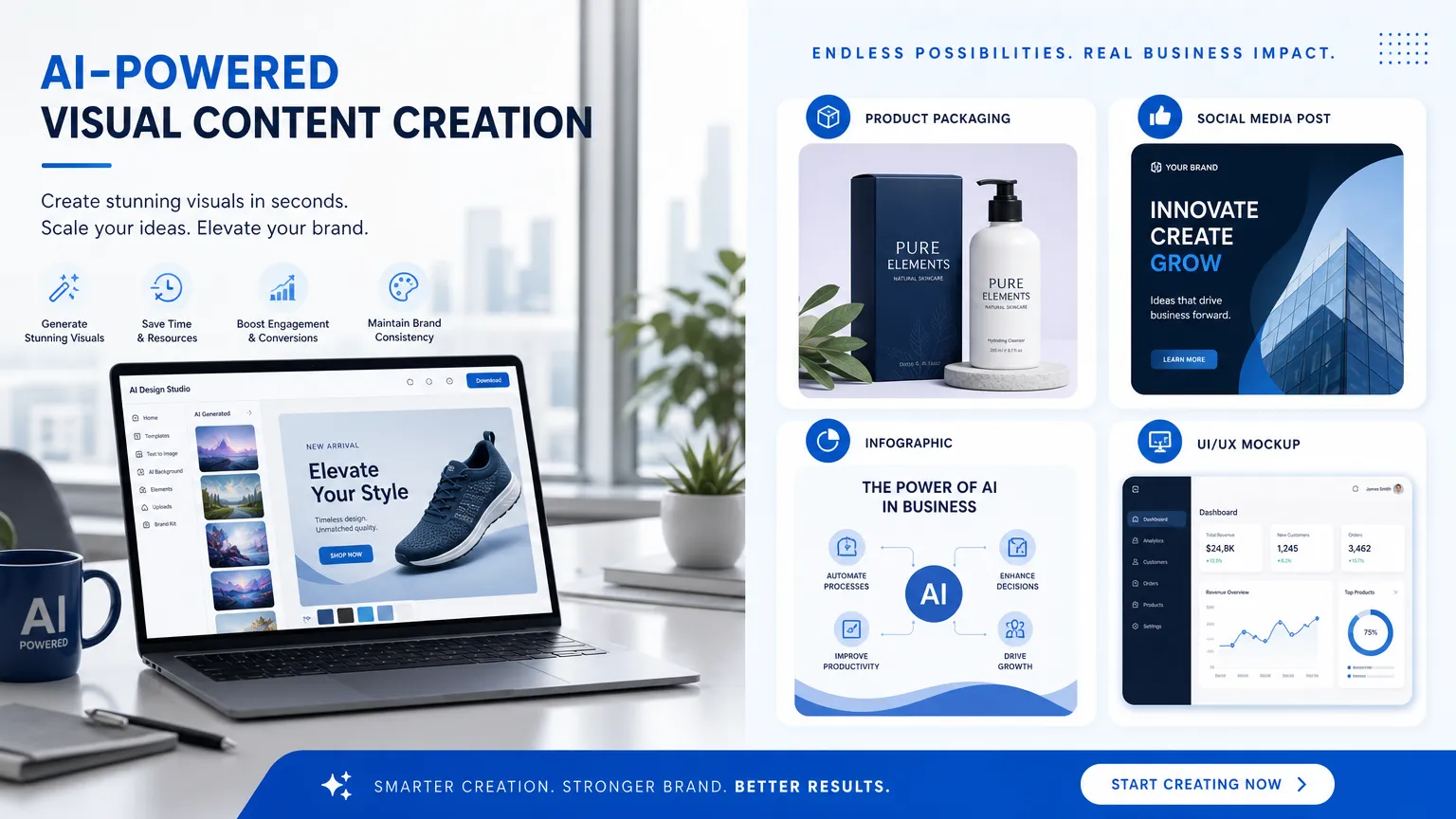
10 Practical GPT-Image-2 Use Cases for Businesses in 2026
The AI image market hit $484M in 2026. These 10 GPT-Image-2 business use cases — from product packaging to UGC ads — show how companies save 80%+ on visual cont
Read More
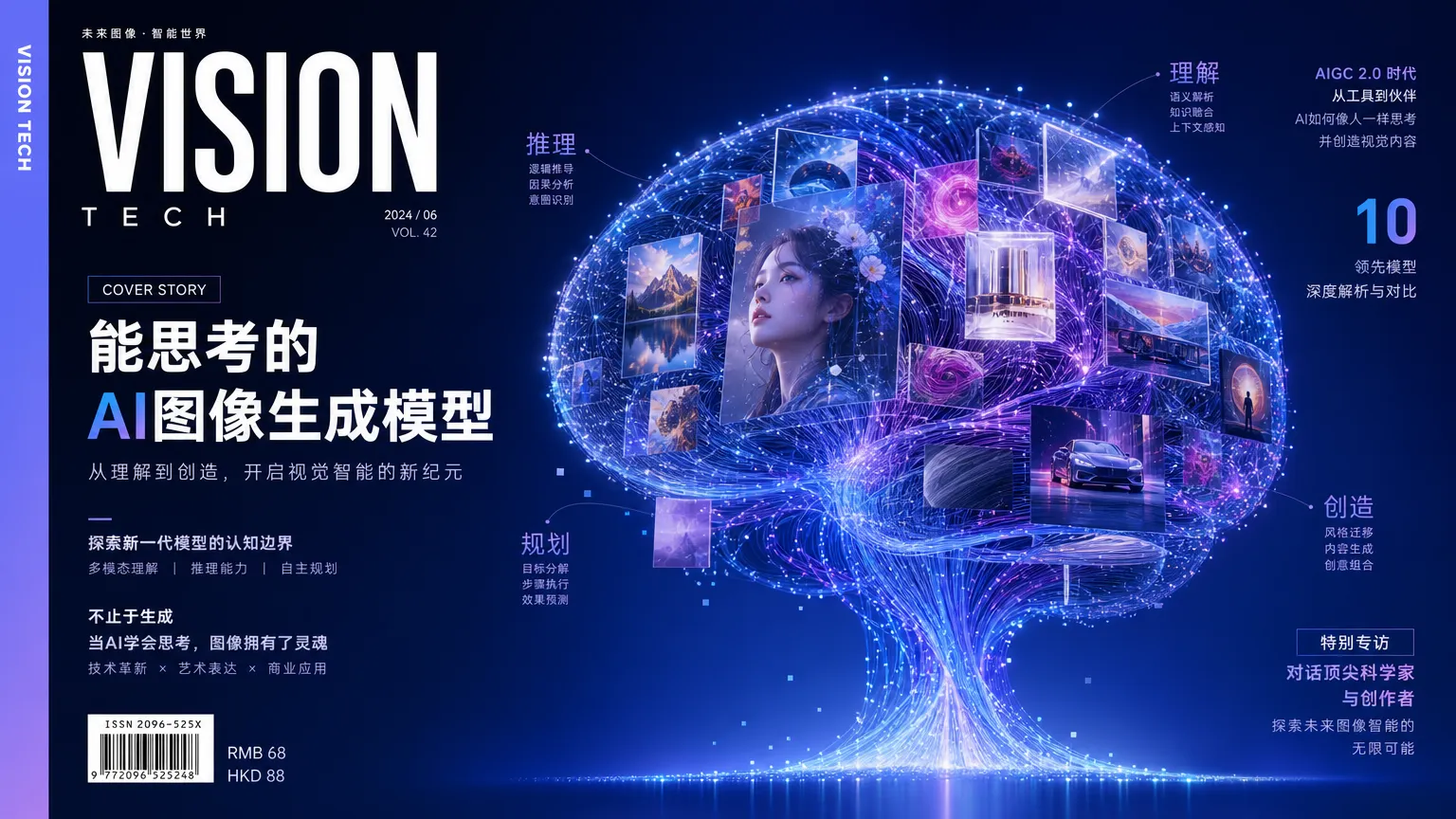
Seedream 5.0 Pro In-depth Analysis: ByteDance's New Generation Thinking Image Generation Model
The Seedream 5.0 series prioritizes "thinking ability" over image quality, upgrading from a brush that passively executes instructions to a creative assistant capable of online retrieval, multi-step reasoning, and understanding intent like a designer. This article comprehensively dissects the true nature of this model from seven dimensions: product positioning, model parameters, core capabilities, evaluation performance, horizontal comparison, application scenarios, and controversies and shortcomings.
Read More
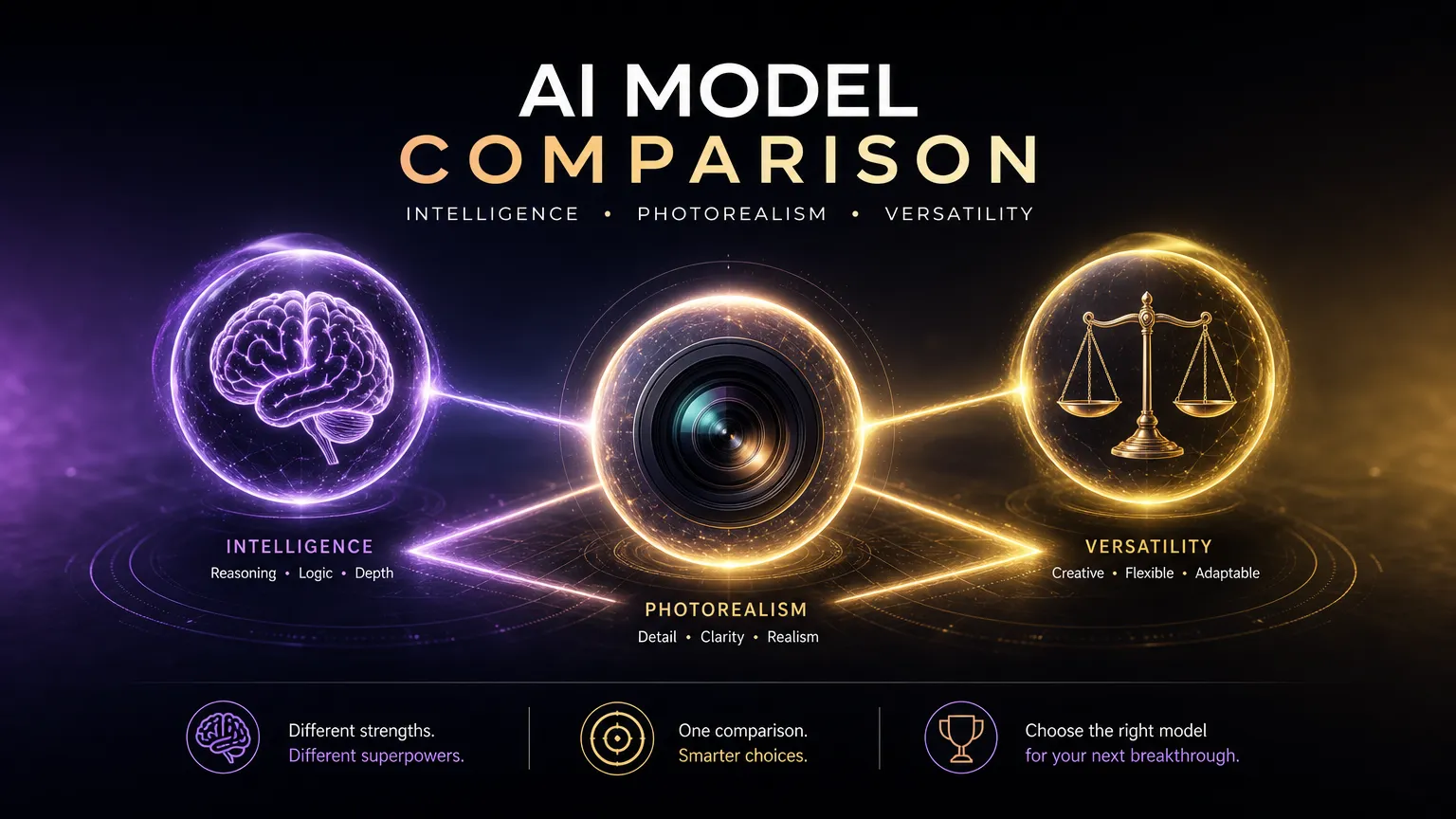
Seedream 5.0 Pro vs Nano Banana Pro vs Flux.2 Pro: The 2026 Image Generation Tripartite Showdown
By 2026, the image generation landscape has clearly diverged into three distinct paths. This article uses API parameter comparisons and real-world testing across 5 scenarios to reveal the ceiling of each path and when to combine them.
Read More
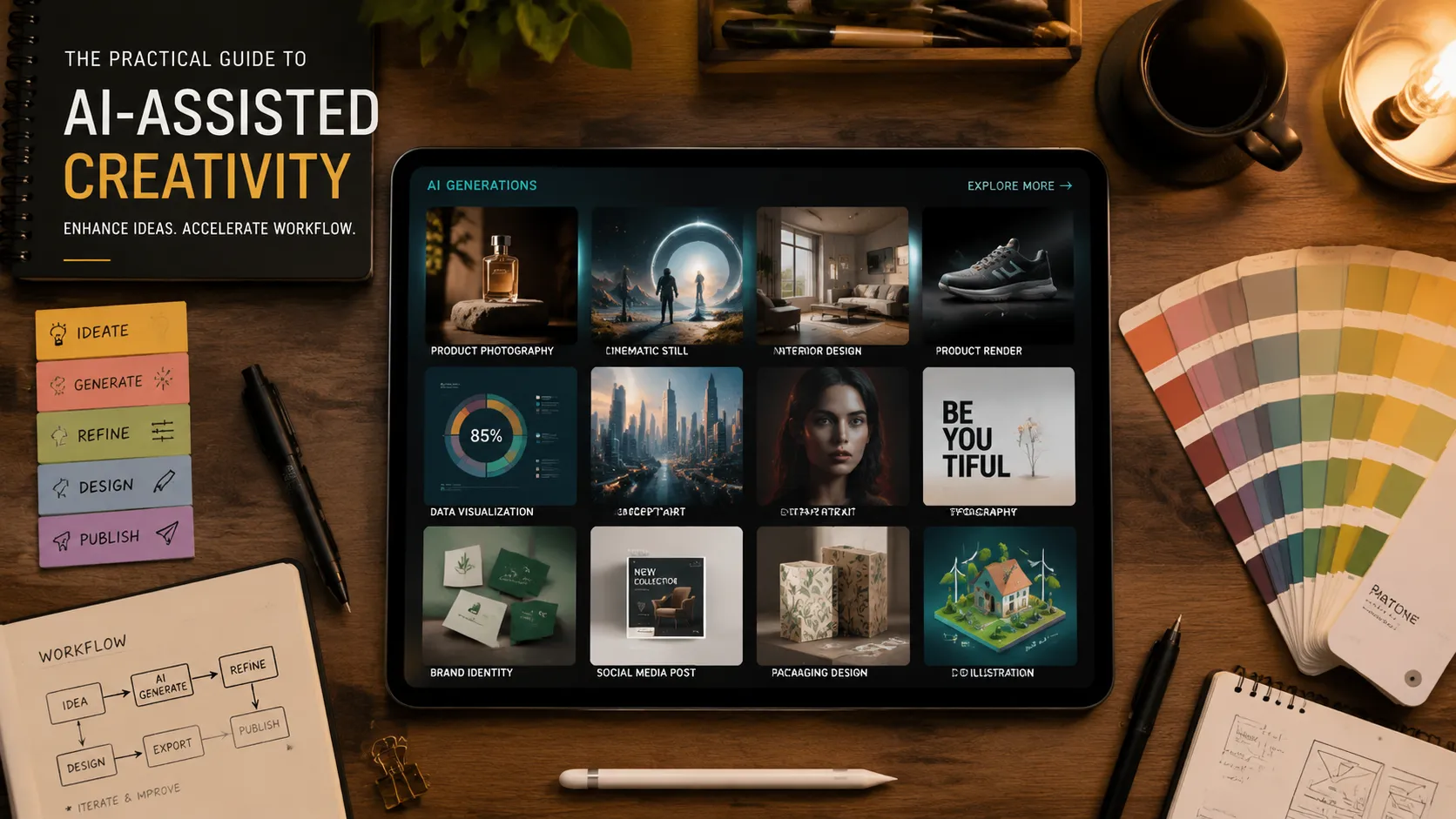
Seedream 5.0 Pro Practical Guide: Prompt Templates and Pitfall Avoidance Manual for 6 High-Value Scenarios
Focusing on 6 truly effective and daily-use scenarios for Seedream 5.0, this guide provides prompt templates, example images, parameter recommendations, and pitfall warnings. All example images are generated by the Pixmind platform's gpt-image-2-eco model using equivalent prompts.
Read More
How to Master AI Prompts for Advanced Visual Output
In the wave of AI-generated content (AIGC), prompts are more than simple text descriptions—they are a precise 'command language'. Understanding how to construct high-quality prompts is what separates amateurs from professional creators.
Read More
Seedance 2.0 Character Consistency Guide
Character drift in AI video systems is a common problem because diffusion-based models generate frames sequentially. Without clear conditioning signals, small variations gradually accumulate, making a character look different over time. Weak temporal anchoring and ambiguous prompts contribute to this issue, as do poorly chosen reference inputs that confuse the model about which visual elements to prioritize.
Read More
Seedance 2.0 Prompt Crafting Guide: Motion-First Strategies That Work
In Seedance 2.0 video generation, more text isn’t always better. Extremely long prompts often dilute important motion cues because the model’s internal attention spreads across too many instructions. When prompts exceed around 100–150 words, kinetic details like precise movement and camera actions tend to be de-prioritized in favor of static description, which can lead to jittery or inconsistent animation. Shorter, tightly structured prompts (roughly 30–100 words) generally produce smoother and more intentional motion by centering on action rather than verbose scene painting.
Read More
Best Use Cases for Seedance 2.0: Short Films, Ads, and Social Videos
Seedance 2.0 has arrived, promising to fix the unpredictability of AI video. But is it actually ready for professional workflows? I've taken it apart to find out, testing it against the demands of short films, commercial ads, and vertical social videos. The verdict: it's a precision instrument, provided you know how to feed it the right reference images.
Read More