
Seedance 2.0 Character Consistency Guide
How to Maintain Stable Identity Across AI-Generated Video Clips
Why Character Drift Happens
The Technical Challenge Behind Identity Loss
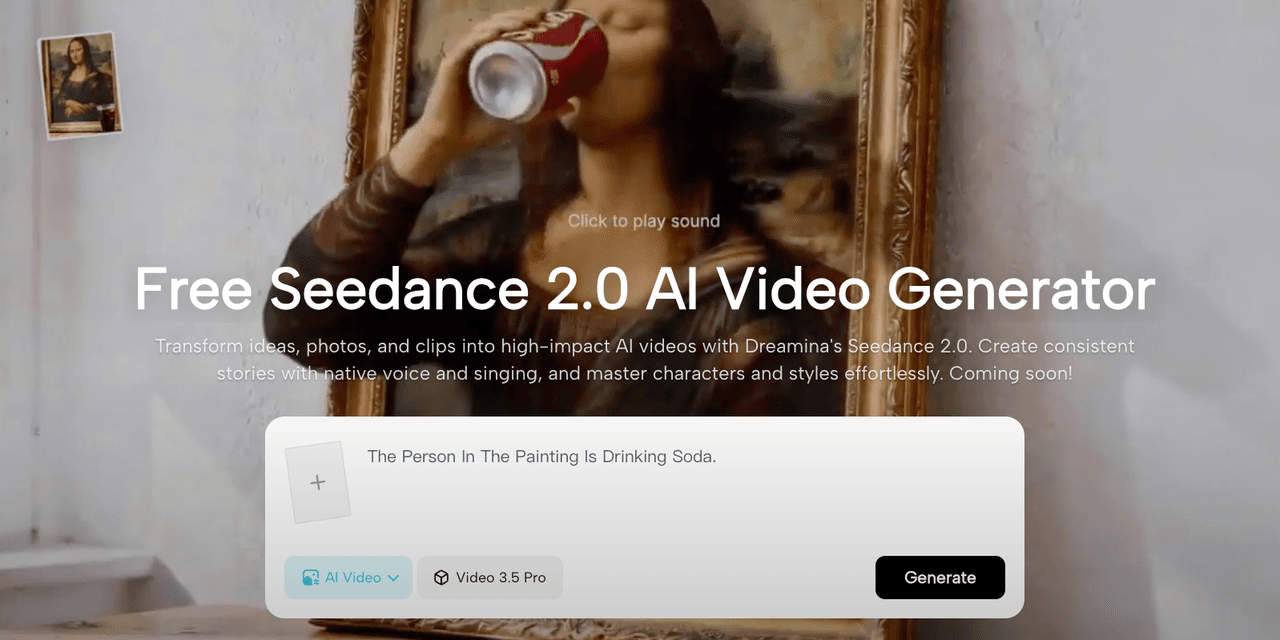
Character drift in AI video systems is a common problem because diffusion-based models generate frames sequentially. Without clear conditioning signals, small variations gradually accumulate, making a character look different over time. Weak temporal anchoring and ambiguous prompts contribute to this issue, as do poorly chosen reference inputs that confuse the model about which visual elements to prioritize.
Seedance 2.0 addresses these challenges by treating reference assets as primary conditioning anchors rather than optional hints. By explicitly tagging character references, the model retains identity traits throughout the generation process.
Preparing Effective Reference Images
Quality Over Complexity
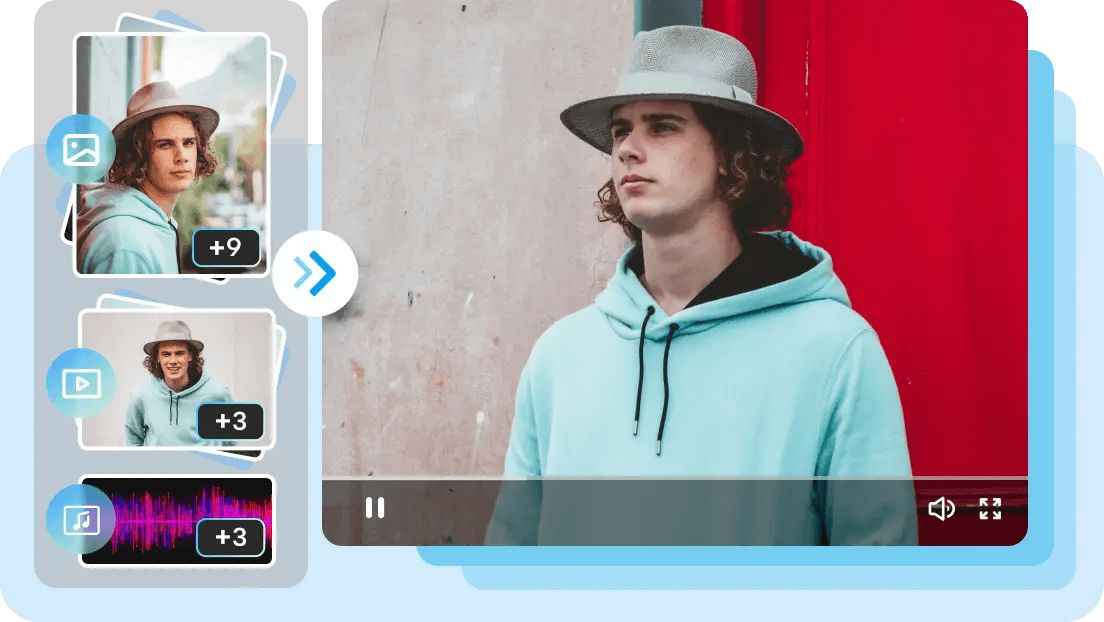
A strong character reference image is key. Surprisingly, overly dramatic lighting or multiple subjects in one image does more harm than good. For best results:
- Single subject focus — keep only one person in frame.
- Neutral lighting — soft, even light helps preserve detail.
- Stable pose — avoid action or dynamic stances.
- Minimal background — reduces competing visual information.
These guidelines help the model focus on identity features rather than incidental elements.
Using Multiple Angles
Teach the Model What Your Character Looks Like From Every Side
When motion or head turns are involved, a single image isn’t enough. Seedance 2.0 lets you upload up to nine images, so preparing multiple views boosts stability:
- Front view – primary identity anchor
- 3/4 profile – assists head turns
- Side profile – improves lateral motion fidelity
- Full-body shot – captures proportions and outfit
Tag all reference images clearly in the prompt. This multi-angle strategy dramatically reduces feature drift in motion sequences.
Modular Generation Workflow
Build Complex Sequences Without Losing Identity

Large scenes should be broken into segments rather than generated as one long clip. Here’s a recommended workflow:
- Asset preparation — upload reference images and motion videos.
- Segment generation — create separate clips for each distinct action.
- Prompt reuse — use the same character description verbatim in every segment.
- Explicit tagging — always reference images using @ImageX syntax.
- Post assembly — stitch segments in editing software for final continuity.
Reusing identical prompts and references across segments significantly reduces inconsistencies in facial features and clothing details.
Separating Identity from Action
Dual References for Maximum Control
For highly dynamic content, combine:
- Character references — for identity preservation
- Motion references — for specific movement styles
This compartmentalization lets the model treat who the character is separately from what the character does. It improves both motion naturalness and visual stability.
Common Mistakes That Break Consistency
What to Avoid
Even with Seedance 2.0’s advanced system, certain pitfalls still cause drift:
- Multiple faces in one reference — confuse identity extraction
- Cluttered backgrounds — distract the model from the subject
- Inconsistent descriptions — changing wording alters conditioning
- Long individual clips — increase the chances of cumulative drift
Keeping references simple and prompt wording uniform across generations prevents most character inconsistency issues.
Verification and Quality Control
How to Catch Drift Early
After generating clips:
- Review frame-by-frame at slow playback speed.
- Look for small shifts in facial features, clothing color, or accessories.
- Regenerate problematic segments with stronger tagging or cleaner references.
Catching errors early saves time and preserves continuity in longer sequences.
Ethical and Legal Responsibility
Transparency, Consent, and Bias
Improved character consistency also increases the need for responsible use:
- Label synthetic content clearly to avoid deception.
- Obtain permission before using likenesses of real people in AI videos.
- Avoid biased references that reinforce narrow visual norms.
These practices protect creators and audiences while aligning with emerging content standards and regulations.
Conclusion
A Reference-First Strategy Is the Key to Visual Identity
Seedance 2.0’s character consistency results from a combination of clean reference images, explicit tagging, and modular generation workflows. With thoughtful preparation and consistent prompts, you can maintain stable identity even during complex actions and multi-shot sequences. This makes Seedance 2.0 suitable for narrative content, episodic releases, and any project where character continuity matters.